Six Things People Built With Fable 5.2 in 24 Hours.
The evidence, not the enthusiasm. Every image is the builder's own.

In the twenty-four hours after Anthropic shipped Claude Fable 5.2, six things got built with it that you can look at. Four are Anthropic's own, photographed in its launch post. Two are other people's, and one of those is running in a browser right now.
What follows is the evidence, not the enthusiasm. Every image is from the builder's own material, every number is from a primary source, and the caveat at the end applies to all six.
1. Four hundred and fifty worlds, drawn in code
Ethan Mollick of Wharton asked Fable 5.2 for an endless, hands-off journey through 3D worlds linked by portals, and left it alone.

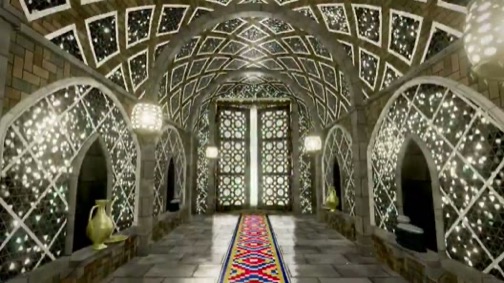
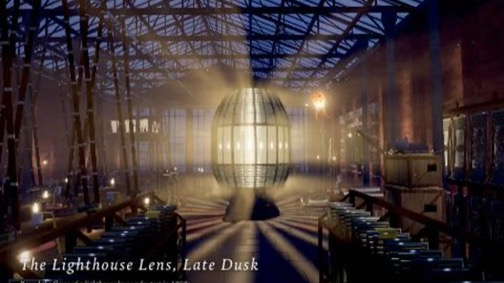
25,000 agents produced over 450 worlds, and the source is on GitHub. The title card makes a claim worth checking rather than admiring: no 3D models, no image files, just code, drawn live in your browser. If that holds, the output is not a rendering of a scene. It is a program that draws one, which is a different and far more reusable artifact.
Twenty-five thousand is a bigger number than the thousand agents in Anthropic's own headline experiment, and an easier shape of problem. Each agent wrote one small world and nothing had to agree with anything else. That is exactly why it is worth copying: fan-out with no shared state is the cheapest way to find out what a fleet of agents does for you.
2. A 1493 notebook, turned back into machines
Alex Albert, who works on Claude at Anthropic, gave Fable 5.2 a PDF of one of Leonardo da Vinci's notebooks and asked it to make the inventions real.
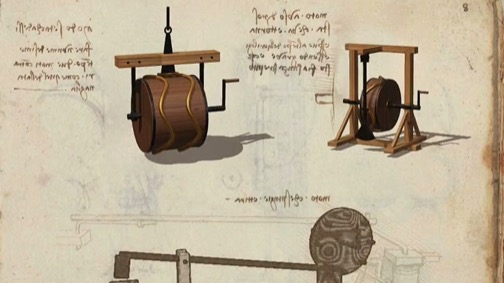
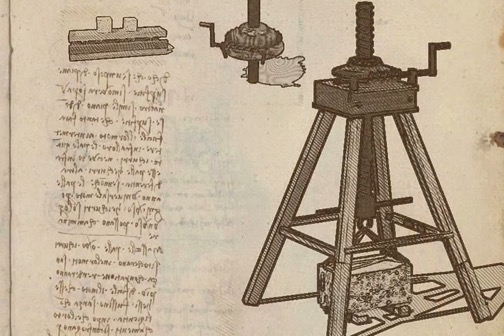
The generalisable version has nothing to do with Leonardo. A scanned document goes in and a working interactive model comes out, and that describes most of what sits in an engineering archive, a patent library or a plant's paper records.
3. Three circuit boards, from one paragraph
This is the only build here that exists as a physical object.
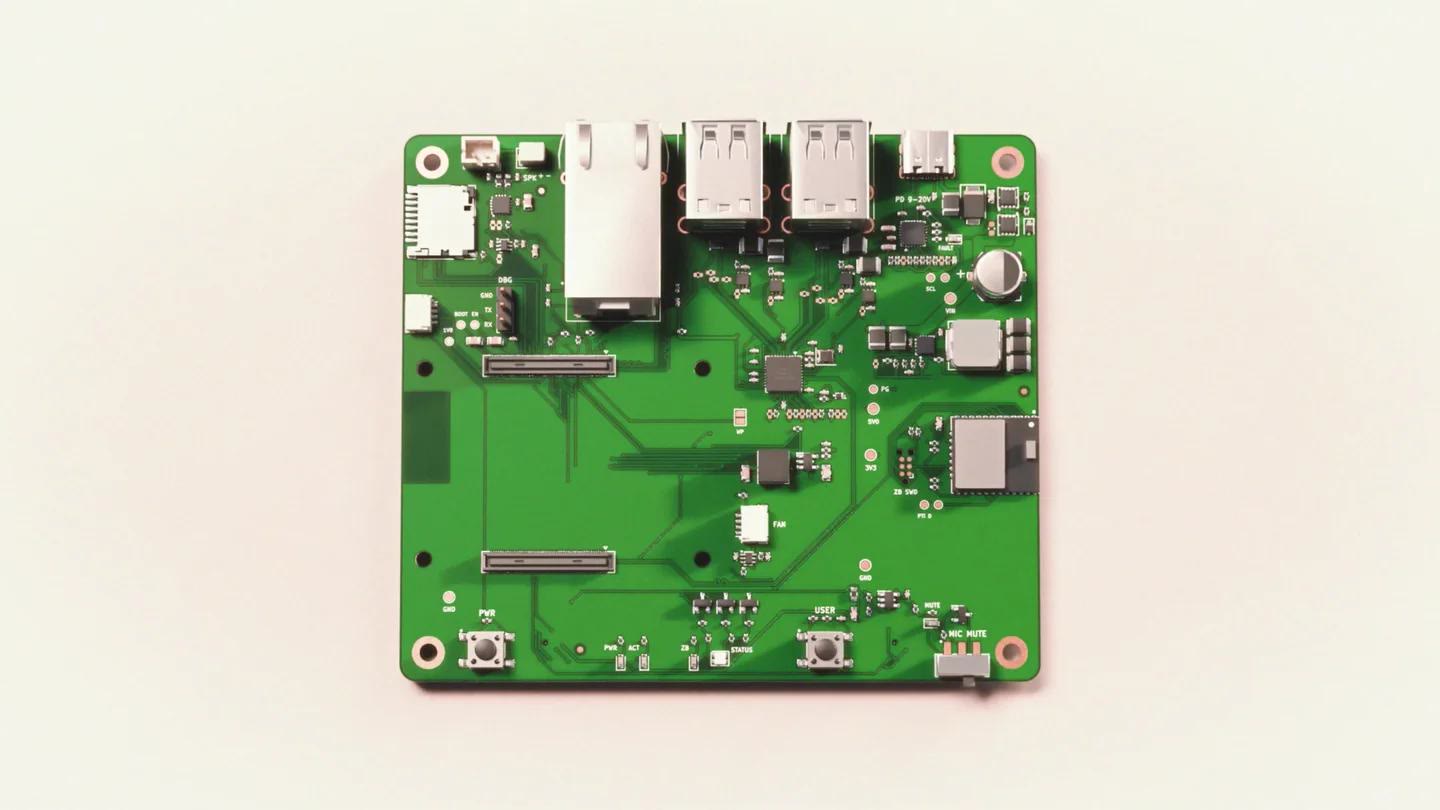
Anthropic asked Fable 5.2, in a one-paragraph prompt, to design and produce three working electronic devices with their own circuit boards, 3D-printed enclosures and software. Claude wrote its own specifications, selected components from US distributors, routed each four-layer board, modelled the enclosures in CAD and programmed the firmware. Once Diode had built the boards, it guided the company's engineers through testing and assembly.
That last clause is the one to sit with. The model did not hand over a design. It supervised the humans assembling it.
4. An operating system that boots
One Anthropic engineer gave Fable 5.2 an empty folder. Over a thousand subagents worked around the clock for eight days.
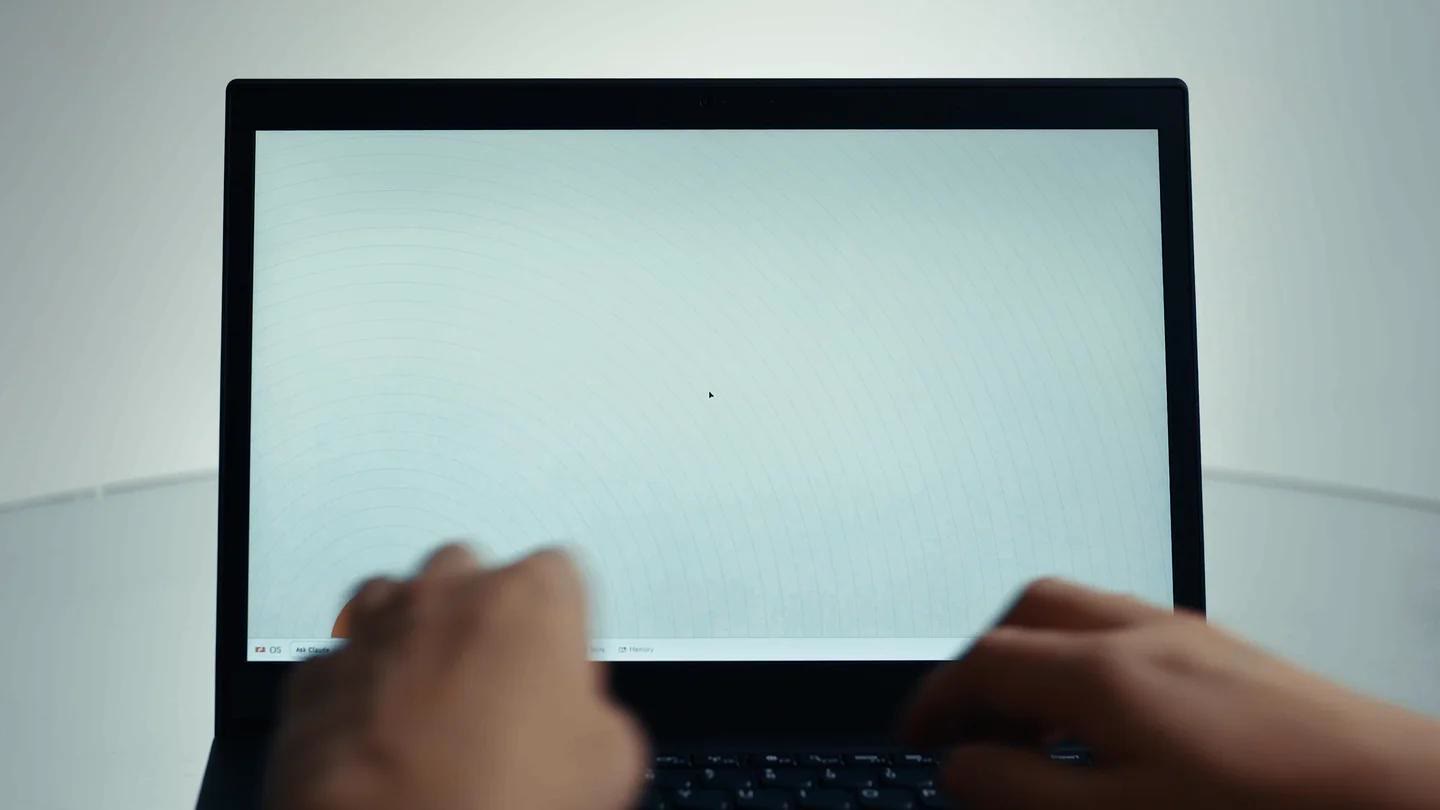
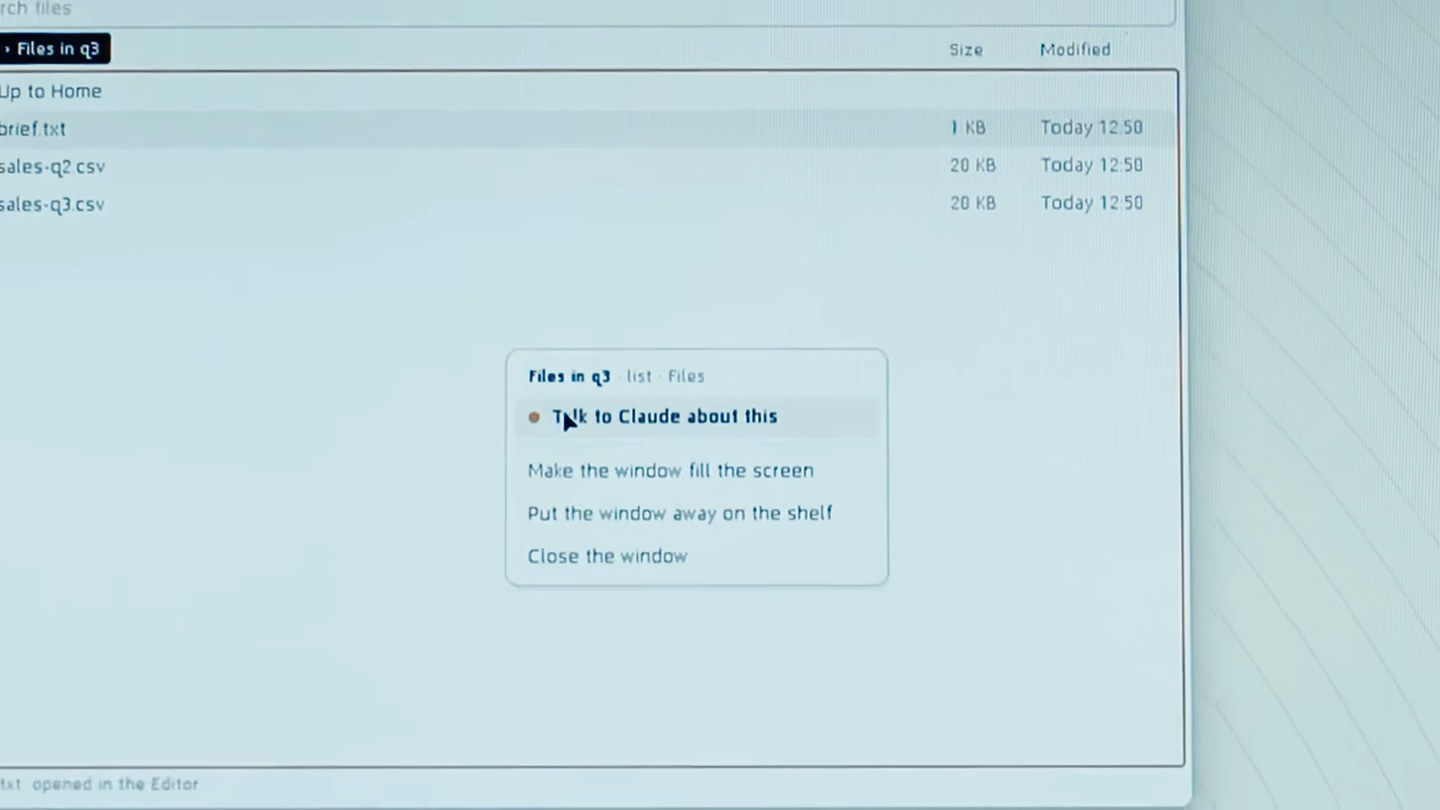
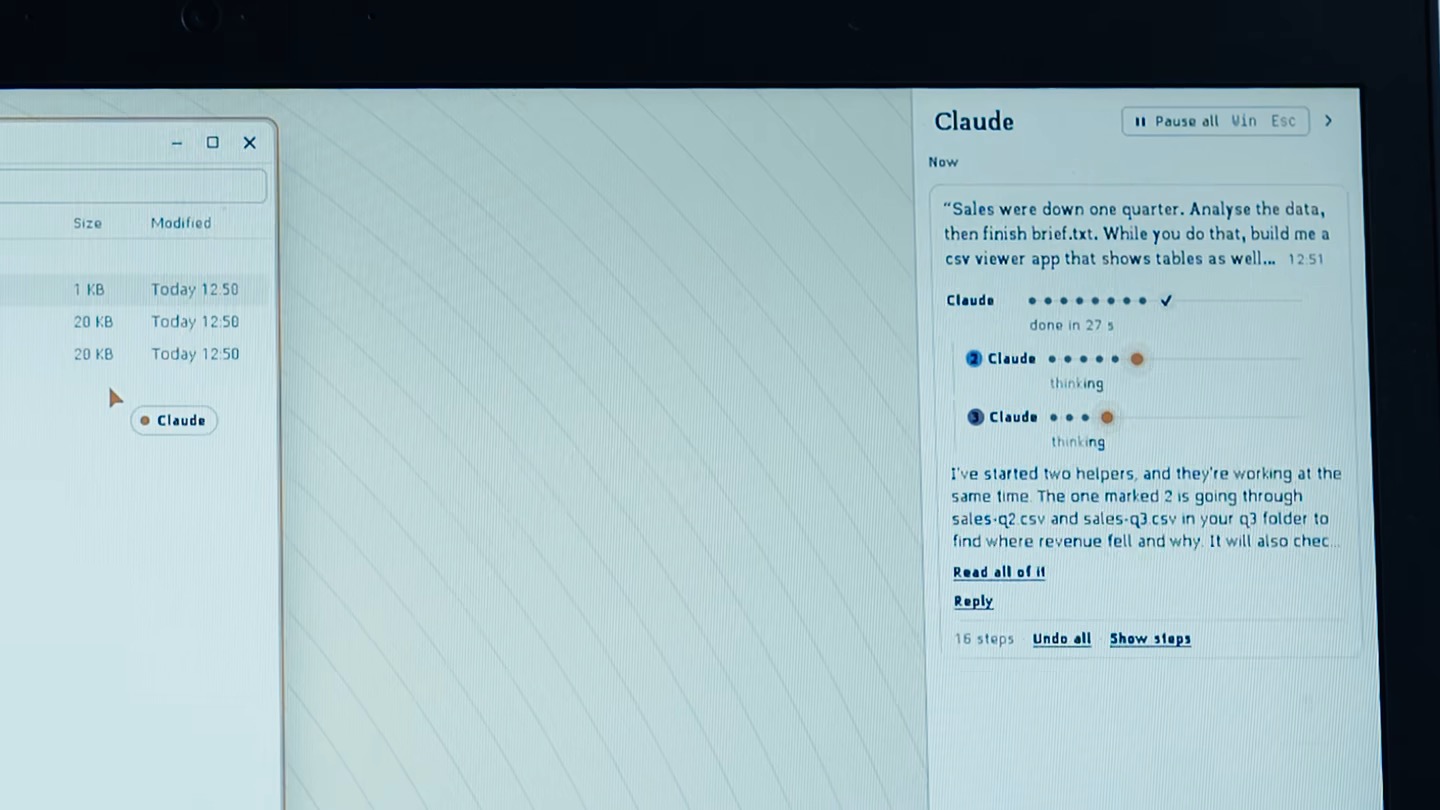
Covered in full in its own edition. What the gallery adds is the chrome, because the interface decisions are the argument: a system whose job is to show you what your agents are doing and let you stop and reverse them.
5. A protein shell nobody could model whole
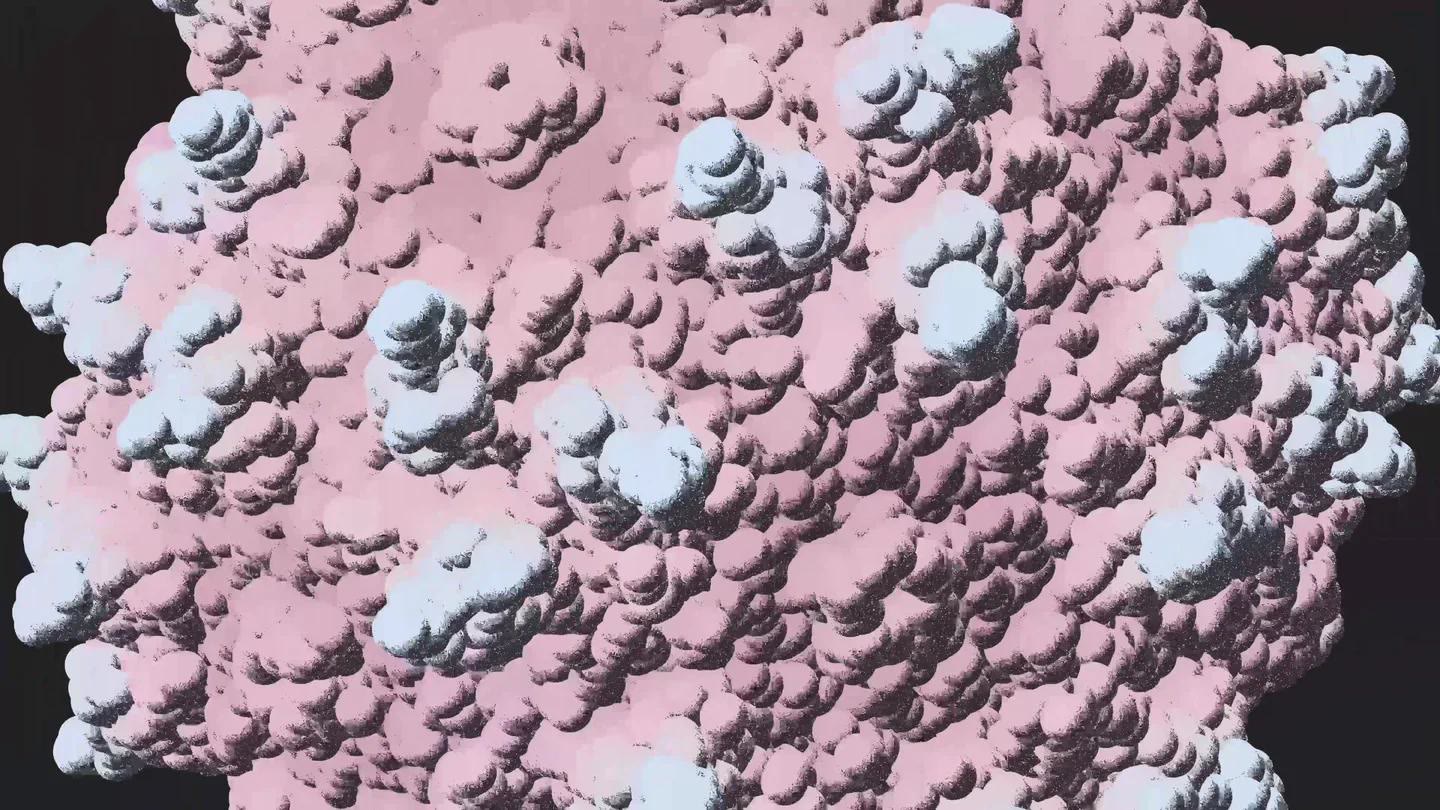
AlphaFold predicts individual proteins. A capsid is built from dozens of them, which is why the whole shell has been out of reach. Claude Mythos 5.2 wrote code to run two open-source folding models on overlapping chains, then merged the results using the capsid's known symmetries. It modelled 28 of the 34 it attempted, counted as accurate within 3 angstroms.
Capsids are how gene therapies are delivered, and their shape decides whether a patient's immune system blocks the treatment. This is the one build on the list where the ceiling is measured in people rather than tokens.
6. The robot arm, which turned out to be the buried number
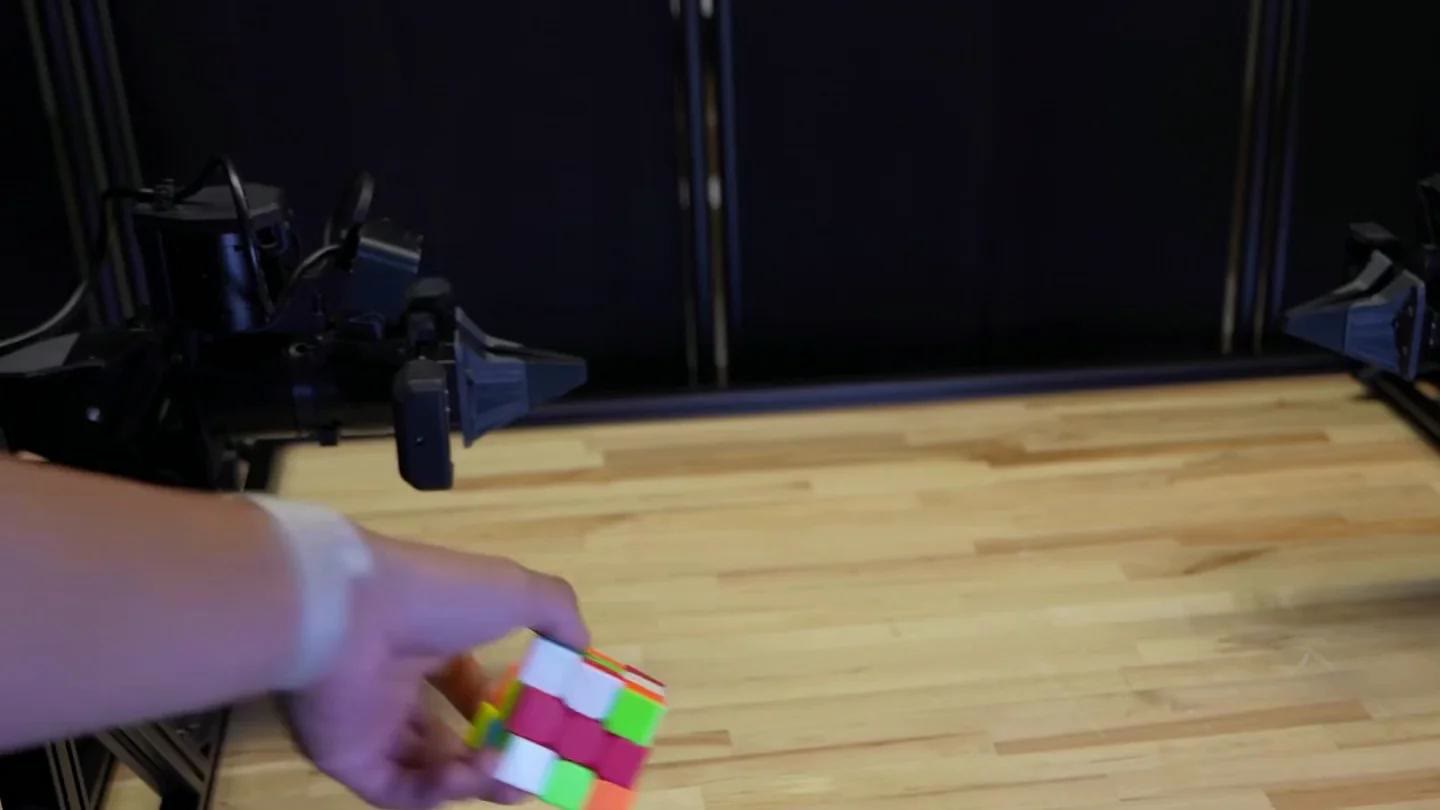
I nearly cut this one for being a photograph with no number behind it. That was wrong. Anthropic's own table puts Fable 5.2 at 64.9% on RoboDojo Sim, against 39.4% for the next model in the same row, and the model was not explicitly trained on those tasks.
"of all of things posted re: fable 5.2, the most interesting to me was the 37 point jump in robotics performance. this is a little less than ~2x performance than any other competitor atm."
A general model beating systems purpose-built for robot control, on a benchmark it was not trained for, is a larger claim than an operating system. It got a fraction of the attention, because a chart of a simulated arm does not photograph like a laptop booting.
The caveat that applies to all six
Four of these are Anthropic's own material, and the other two are by people who had early access. Nobody outside has reproduced any of it. The RoboDojo figure was run internally at the highest available effort, and Anthropic says so in its own footnote. The capsid result has no external replication. The circuit boards exist, which is the strongest form of evidence on this page, and even there the only photographs are the vendor's.
Read the list as a map of what the model will now attempt, not as proof of what it reliably does. The useful question is not whether these are impressive. It is which one is the closest shape to a job you already have. A seventh landed the next day: a playable browser shooter, built in a few hours.
Pick the nearest one.

Founder of nativefirst.ai. Runs everything on agents and writes down what works.