Fable 5.2 Built a 12-Stage Game Overnight. It play-tested itself.
The same brief failed on the previous models five months earlier.

In January, a boy called Aiden asked his uncle for a beat 'em up for his birthday. He had already done the design work: five playable heroes based on his family, including the dog, twelve bosses drawn and numbered, a loose story, and a puppy called Pudding to rescue.
His uncle, Lex Toumbourou, knew about computers, so the ask was not unreasonable to a seven-year-old. It was extremely unreasonable in January.
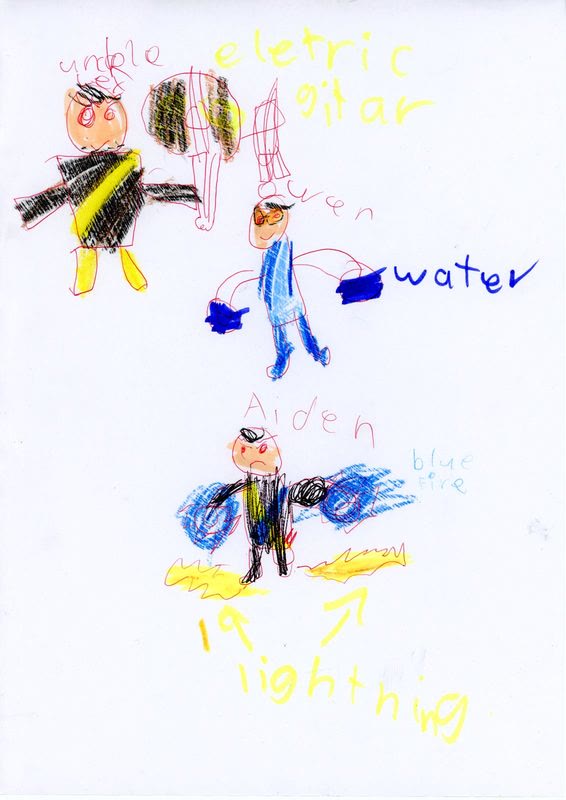

Drawing from Lex Toumbourou's write-up (1). Title screen captured from the playable game at aidens-revenge.pages.dev, 11 November 2026.
The first attempt, which is the control
He shipped a version for the birthday in June, built mostly with Claude Code on Opus 4.8 and Fable 5, on top of a side-scrolling template.

Toumbourou
"It worked, but it wasn't worth playing for more than a couple of minutes. Aiden was appreciative, but it clearly wasn't the game he'd imagined."
That sentence is why this is a post rather than a demo. Almost every "look what AI built" clip is a thing with nothing to compare it to. This one has a control: the same specification, the same developer, the same nephew, five months earlier, on the previous generation of models.
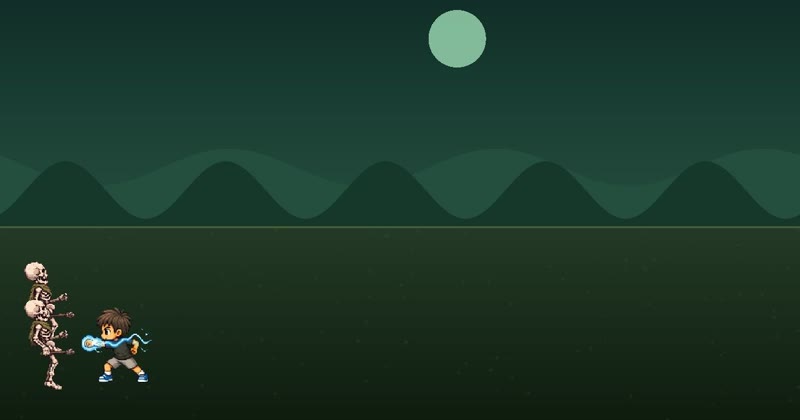
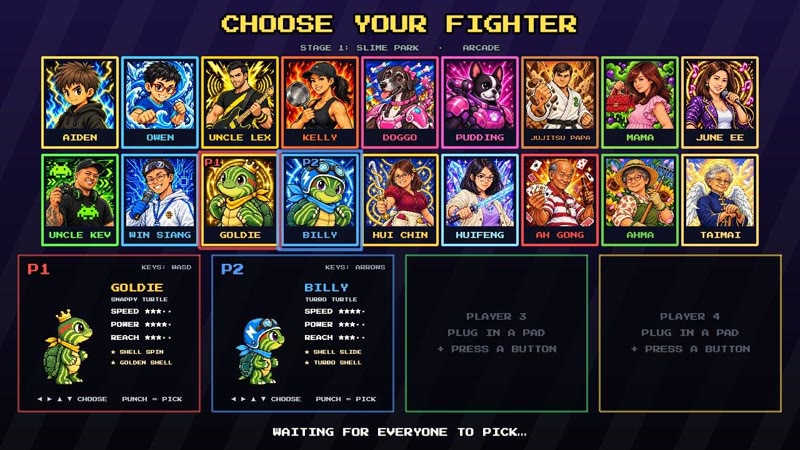
Both from Lex Toumbourou's write-up (1). Same brief, same codebase lineage, five months apart.
The second attempt
In November he got early access to Fable 5.2 and was told to try it on his most ambitious use case. He pointed it at the unfinished game, gave it one long prompt, and went to bed.
The prompt is worth reading for what it does not contain. No architecture, no file plan, no task list. It says make it fun like the classic arcade beat 'em ups, use ChatGPT Images for art and ElevenLabs for sound, the hand-drawn scans are in this folder, support four controllers, and do whatever it takes to finish it. It explicitly gives permission to start again: don't worry about destroying what exists.
It took that permission. It threw away most of the existing code and rewrote the game.
It also added things nobody asked for: cutscenes, crates you can smash, and an ending.
The part that should change how you think about this
Games get built in seconds now. That is not what happened here, and the difference is in the reasoning traces.
The model wrote a bot to play its own game. It ran that bot through all twelve stages in a headless browser and checked the screenshots for problems.
Sit with that for a second, because it is a different category of behaviour from writing code. Nobody asked for a test harness. Finishing the job required knowing whether the game was actually finishable, and the only way to know that was to play it twelve times and look. So it built the thing that could look.
This is also, incidentally, what the cost numbers have been trying to tell us all week. Fable 5.2 averages about 97 tool calls per task against 54 for Fable 5.1, and the cost per finished job went up while the token price went down. A bot playing a game twelve times in a headless browser is what those extra tool calls look like from the inside. You are not paying for a longer answer. You are paying for the model to check its own work.
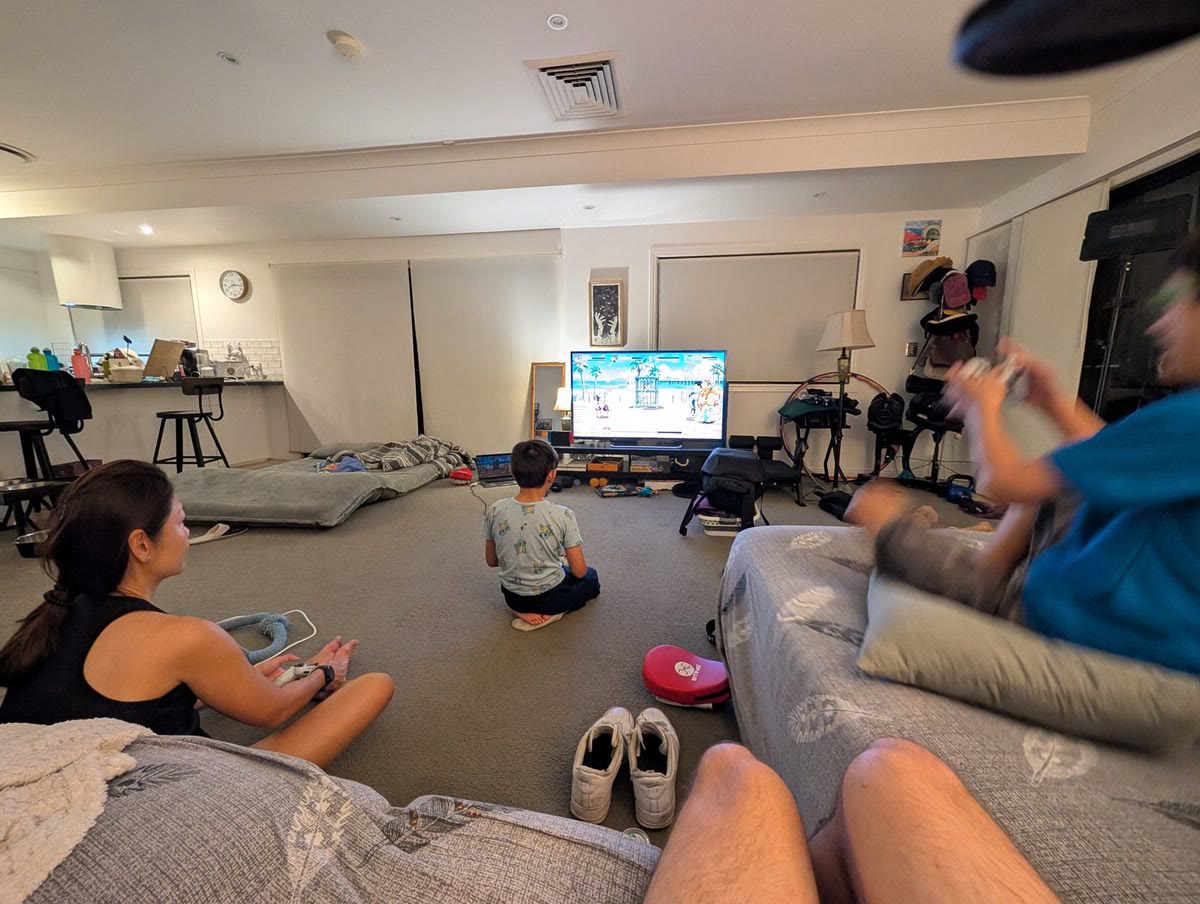
From Lex Toumbourou's write-up (1).
What it cost
Lex did not publish a bill. Felix Rieseberg, testing the same model on a different one-shot game the same week, did.

Rieseberg
"Everything in this game is from scratch: models, sounds, textures. ~$550 at API pricing, ~2.7M output and 445M input tokens, heavily cached. Took 8 hours!"
Four hundred and forty-five million tokens in against 2.7 million out. It read 165 times more than it wrote, and output tokens cost five times input. The bill was dominated by reading, which is exactly what a model does when it keeps checking the thing it just made.
How to read it
Both of these are developers with early access, publishing their own wins, and neither game has been reproduced by a stranger. The honest version of the finding is narrower than the clips suggest and more useful.
A model that writes code is a tool you supervise. A model that writes the test, runs it twelve times and looks at the screenshots is a model you can leave. That is the difference between the June version and the November one, and it has very little to do with graphics.
If you are deciding what to hand an agent next, the question is no longer whether it can produce the artifact. It is whether the job has a check the model can run on itself without you. Where it does, the leash gets much longer this week than it was last week.
Give it a way to check.

Founder of nativefirst.ai. Runs everything on agents and writes down what works.