Claude and Codex Built 11 Games This Year. Here's how each one was made.
The process, the receipts, and the three jobs that stayed human.
Every game studio has now seen the clip. Someone types a prompt, goes to bed, and wakes up to a game. What the clip never shows is the process: who wrote what, what it cost, what broke, and which parts a person still had to do.
So we went looking for the record. Between February and November 2026, the builders of eleven games made with AI coding agents published how they did it, each with a playable build or a store page to check. One is on Steam at version 1.0 with 97 reviews. One came with receipts down to the cent. The fastest took a few hours. The longest took nine months and is still being patched. Here is what each one shows, and the pipeline they turn out to share.
The short version for a studio: the agents wrote nearly all the code, and the humans kept the design. The rest of this post is the evidence for that sentence.
All 11 at a glance
The same four numbers for every game: how long it took, what it cost, how many prompts or agents did the work, and how big the result is. Where a builder did not publish one of those, the tile shows another number they did publish, under its own label.
Cordon 9
- Time
- Hours"a few", per the builder
- Assets
- 0 filesno images, audio or models
- Setup
- 1 agentone Teammate run
- Scope
- 70,519lines in one script
Saltline
- Time
- 8 hrsunattended
- Cost
- ~$550at API prices
- Setup
- 1 promptno human feedback
- Scope
- 1 levelFPS, all assets in code
Courier Quest
- Time
- 24 hrs13 of them his attention
- Cost
- $382$381.95 all-in
- Setup
- 79 prompts304 agent runs
- Scope
- 20,600lines of game code

Aiden's Revenge
- Time
- ~2 daysfirst playable overnight
- Cost
- 340Mtokens, bill not published
- Setup
- 1 prompt~600 requests
- Scope
- 12 stages18 characters
Grumbulus
- Time
- 2 eveningsplus 2 days of playtests
- Bugs caught
- 18by an audit before first play
- Setup
- 1 lineconcept, then playtest notes
- Scope
- 15,000lines of plain JS
Spell Cascade
- Time
- 1 sessionper the write-up
- Tasks
- 9 of 17closed in one session
- Setup
- 6 agentswith named roles
- Reach
- 2downloads on itch.io
Void Balls
- Time
- 10 daysfirst playable
- Cost
- $50/moAI tool stack
- Setup
- 8 agentsin parallel
- Scope
- 29,000lines of C#, 88 test files
Capybaras Delivering Food
- Time
- 15 daysjam build
- Prize
- $25,000jam gold, 90% AI code rule
- Setup
- 2-3 sessionsin parallel
- Tools
- 4Claude Code, Suno, ElevenLabs, Tripo3D
Codex Mortis
- Time
- 9 moto v1.0, demo at ~3
- Cost
- $200/moClaude Max plan
- Setup
- 1 devsolo, with Claude Code
- Scope
- 200 spells31 heroes, 97 Steam reviews

Void Explorer
- Systems
- 2,048procedural star systems
- Draw calls
- 119 to 77after agent profiling
- Setup
- 1 linebrief, plus a test harness
- Scope
- 10,000+planets you can land on
Catvivors
- Released
- Mar 13Steam Early Access
- Price
- $4.99on Steam
- Agents
- 2Claude Code and Codex
- Scope
- 24 levels6 cats, 15+ weapons
The one with paying players
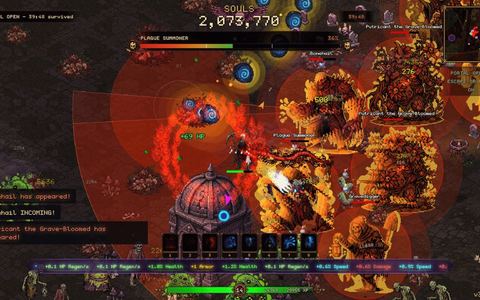
Codex Mortis is a survivors-like deckbuilder by GROLAF, a solo developer who built it alongside a day job. The demo went up on Steam in December 2025. Early Access opened on 26 March 2026. Version 1.0 shipped on 24 September with 10 schools of magic, 200 spells, 31 heroes, 14 levels, online co-op for four players and 28 languages. It sits at Very Positive from 97 reviews.
The code was written with Claude Code, mostly Opus 4.1 and 4.5 at the demo stage. The art came from ChatGPT. There is no game engine: it is TypeScript with PixiJS for rendering, bitECS for the entity system and Electron for the desktop build. The characters move through shaders Claude Code wrote, not frame-by-frame sprite sheets.
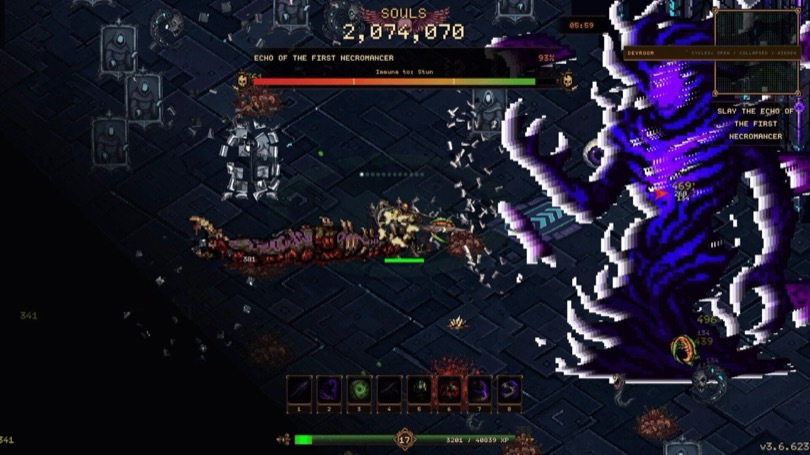
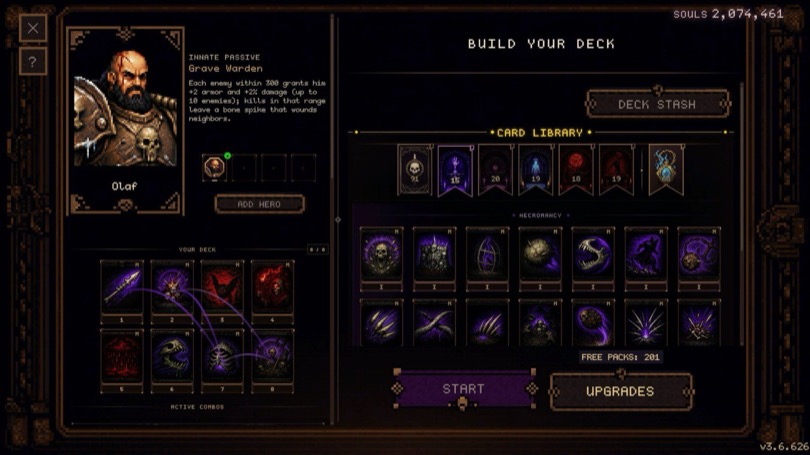
Screenshots from the game's own Steam store page, captured 12 November 2026.
The interesting part is what happened after launch. The developer's account, on the Steam forum and in Japanese coverage of the 1.0 release, reads like any Early Access postmortem with one difference. The foundation was rebuilt on an entity-component system after the codebase outgrew what the agent could hold in context. Human testers found about 100 bugs, many of them in duplicated code paths where the agent had patched one copy and not the other. The camera changed perspective, every sprite was redrawn, and around 32 Steam updates went out in six months, near daily in April.
The lesson the developer drew is the one every builder on this list drew in some form: the AI was a good programmer and a poor architect. He set the core design, the theme and the mechanics, and used the agent to explore spell combinations inside those rules.
The one with receipts
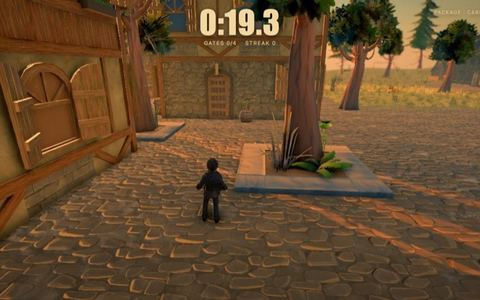
Courier Quest is a 3D parkour delivery game in the browser, built by Isaac Rudansky, who describes himself as a non-gamer. It took 24 hours of calendar time, about 13 of them with his attention on it. He typed 79 prompts, which drove 304 agent runs and 187 commits, about 20,600 lines of game code. The total bill was $381.95: $181.95 on purchased assets and a $200 Claude plan.
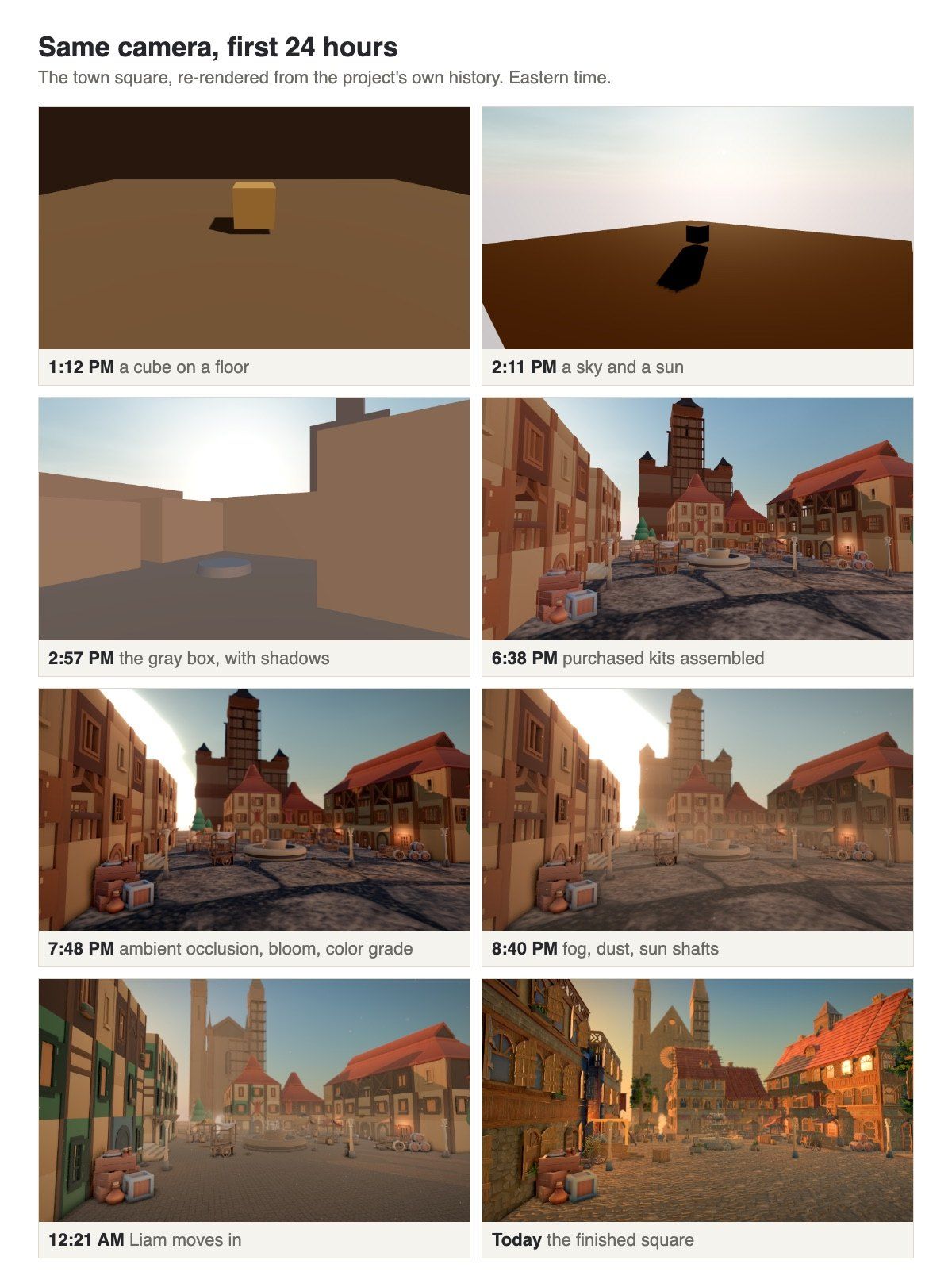
The order of work would be familiar in any studio. Workshop the idea. Research the engine, which here produced a 40-file internal glossary the agents could look up. Grey-box the level. Light it. Build the character controller and the follow camera. Only then add gameplay, quiz gates, footsteps and music.
He used cheaper models for bulk research and building, Sonnet and Opus for most of the work, and kept Fable for final design decisions. Assets were bought, then run through an acceptance pipeline the agents built: every model was inspected by script in a headless browser before it was allowed into the game. Blender was never installed.
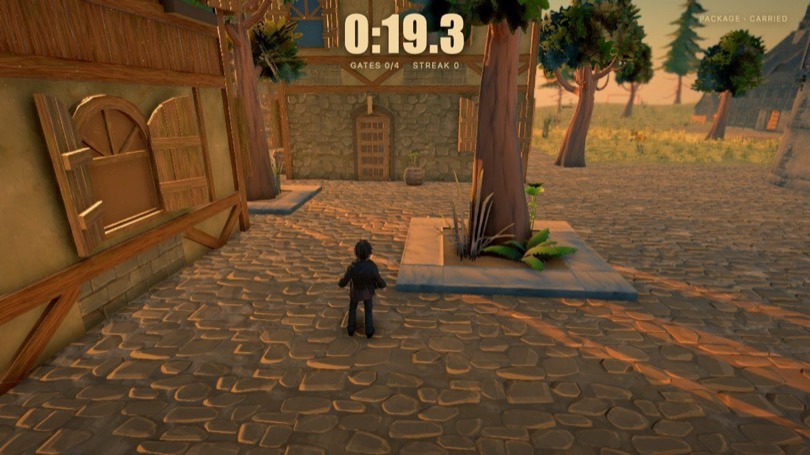
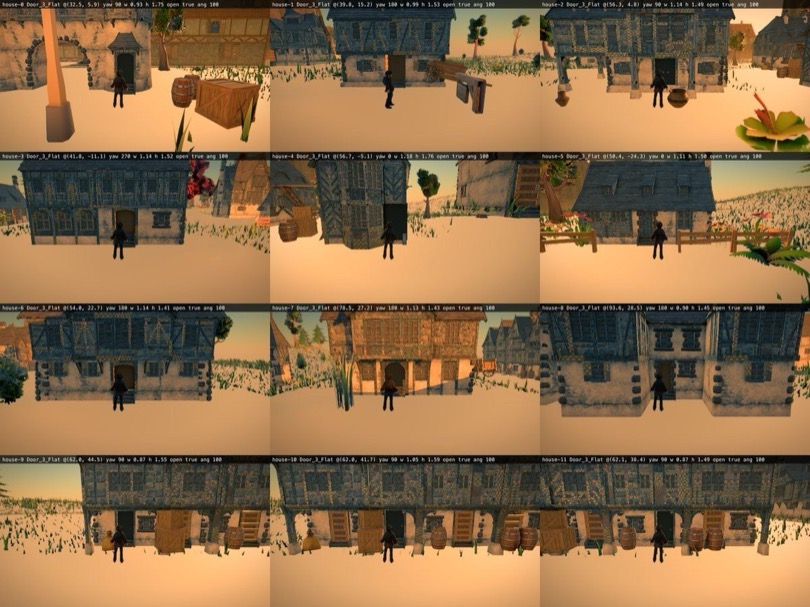
All images from Isaac Rudansky's own write-up, 23 September 2026.
Testing was not an afterthought: 55 unit tests, 19 browser tests that actually play the game, and screenshot checks like the door sheet above. He also costed the same slice the way a studio would. His mid estimate, built role by role from salary data, was $203,100 over 14 weeks, in a range of $84,300 to $417,100. That is his estimate, not a quote from a studio, but it is the right comparison to argue with.
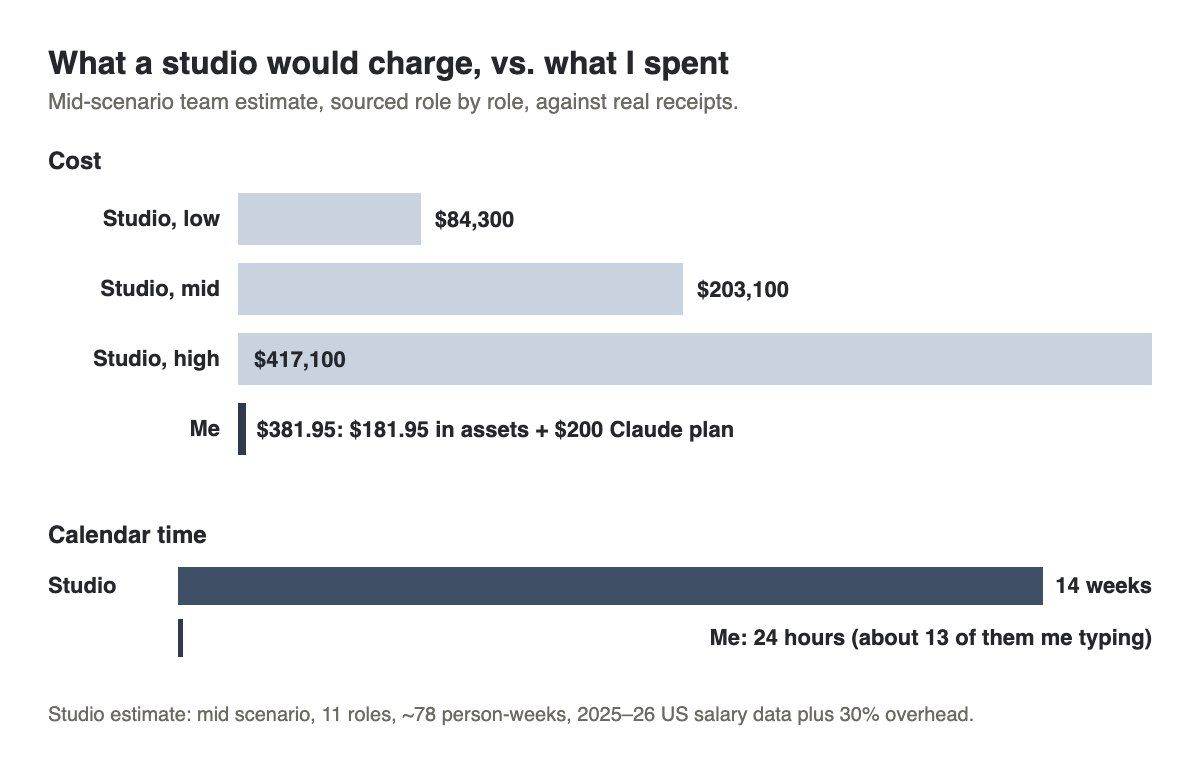
Chart from Isaac Rudansky's write-up. There is no public playable build yet.
The ones that ran alone
Two builds tested how far an agent gets with almost no human in the loop.
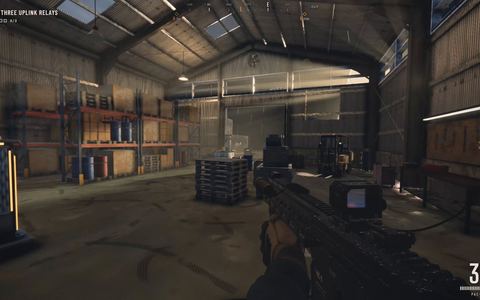
Saltline is a small first-person shooter level by Felix Rieseberg at Anthropic. One prompt asking for a tiny level that could pass for AAA, then no human feedback at all. It ran for 8 hours and cost about $550 at API prices.

Rieseberg
"Everything in this game is from scratch: models, sounds, textures."
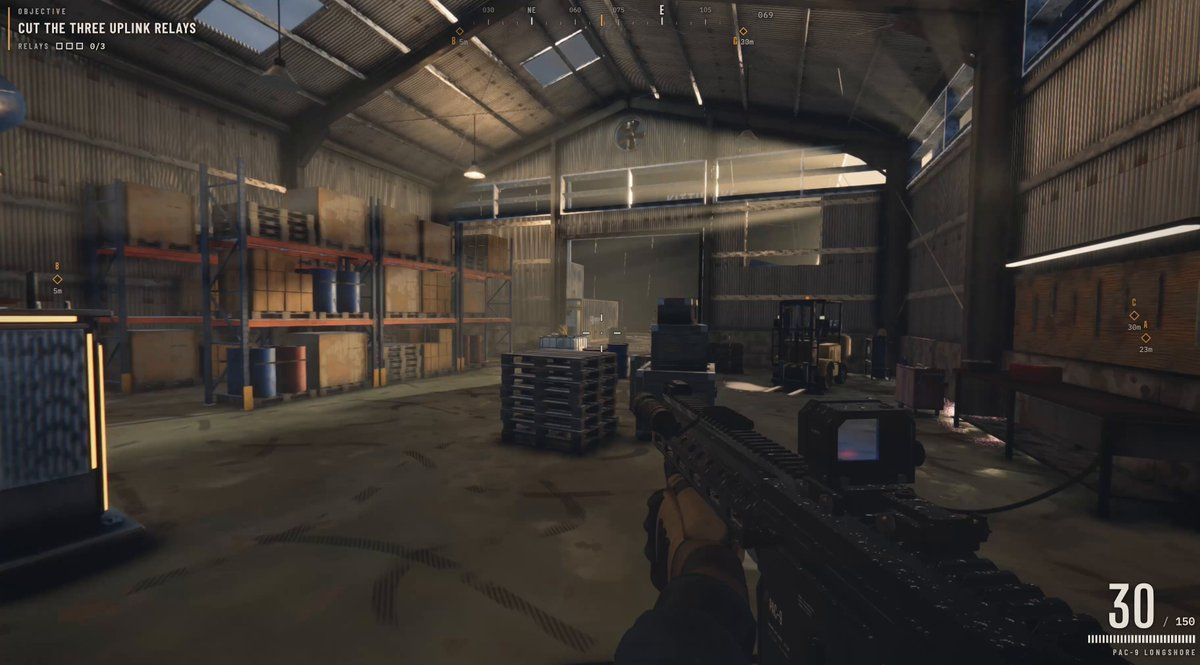
Frame from Felix Rieseberg's video post. Play it here.
The bill is the useful part: 445 million tokens in, 2.7 million out. The model read about 165 tokens for every one it wrote. That is what checking your own work looks like on an invoice.
Aiden's Revenge is the one we covered on Tuesday: Lex Toumbourou's twelve-stage beat 'em up, built overnight on Fable 5.2 from his seven-year-old nephew's drawings, with about 175 generated images and 140 audio clips. It is on this list for one behaviour. The model wrote a bot that played all twelve stages in a headless browser and checked the screenshots, without being asked.
The ones that test themselves
If one thing separates the builds that worked from the clips that did not, it is this. The agent was given, or built for itself, a way to see the game.
Void Explorer is OpenAI's own showcase, built by Thomas Ricouard with Codex on GPT-6 Astra. It is a procedural space game with 2,048 star systems and more than 10,000 planets you can fly to and land on. The brief was one sentence about the player: everything you can see should be reachable. Concept art came before code, and the approved images were saved as references the agent checked its work against.
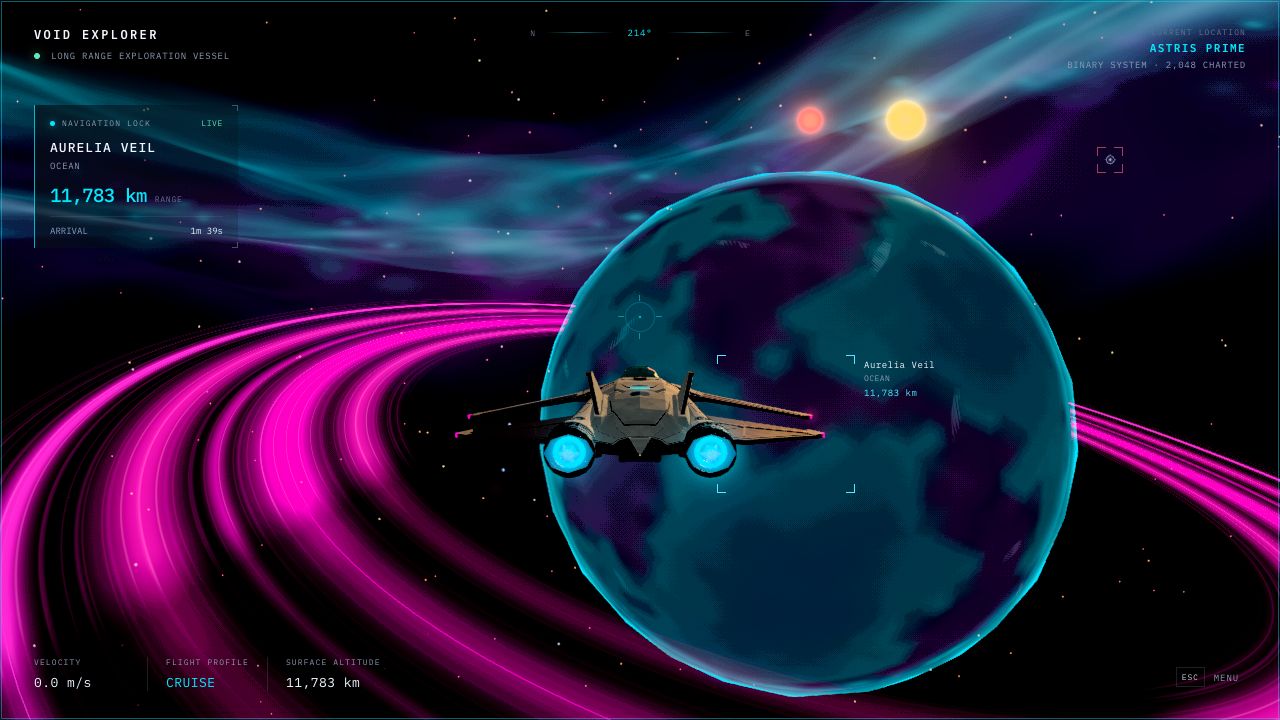
Captured from the live game, 12 November 2026. Process from OpenAI's build write-up.
Then it made the game testable. Unit tests for the generation and coordinate maths. Playwright for browser runs. A debug hook, window.__VOID_EXPLORER__, that exposes flight mode, terrain jobs, draw calls and triangle counts to any test. Named test scenes for orbit, descent and coastal landing. The working loop was reproduce, inspect screenshots and state, trace, change, rerun. It is a vendor showcase, so read it as a best case, but it is the clearest public description of test-first game work with an agent.
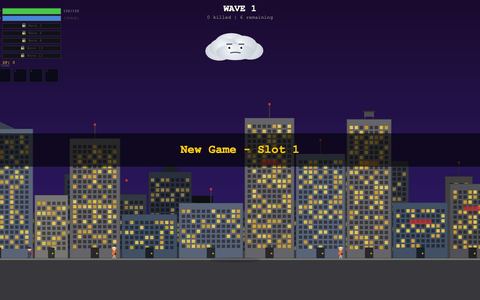
Grumbulus shows the same idea at hobby scale. Grigory Sapunov and a co-builder gave Claude a one-line concept, a storm cloud terrorising a city, and said "implement it". The agent wrote the design and 21 files in parallel, about 15,000 lines of plain JavaScript. Before a human played it once, an integration audit found 18 bugs. After that the prompts were play-test notes like "power-ups feel weak", in two-to-five minute cycles. All the art is drawn in Canvas and the seven music tracks come from a procedural Web Audio sequencer.
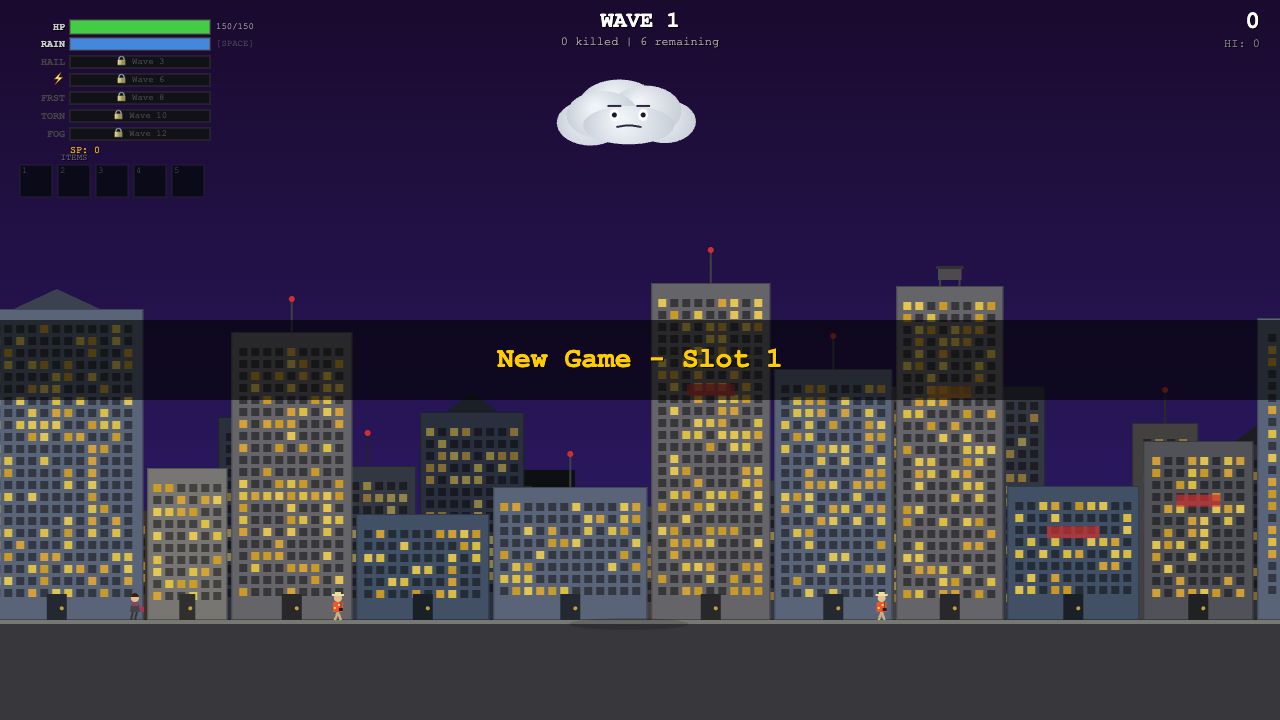
Captured from the live game. Process from the builders' write-up, 25 March 2026.
The ones inside an engine
Most of this list runs in a browser, which is the agent's home turf. Two examples go where studios actually work.
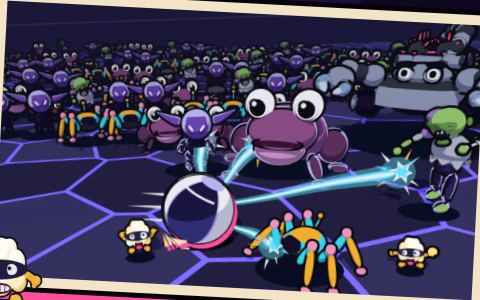
Void Balls by Adrian Bigaj is built in Unity 6, with Claude Code driving the editor through Unity's MCP connection. Eight agents ran in parallel, each owning a domain: architecture, implementation, balance and testing among them. In ten days they produced about 29,000 lines of C# across 173 scripts with 88 test files. Sprites came from Flux 2D Game Assets on Replicate, backgrounds from Recraft, sound and music from ElevenLabs, for about $50 a month. Art direction came from constraints a person set: a seven-colour palette and a two-button control scheme. The game has since moved to 3D and lists Steam Early Access for 5 January 2027.
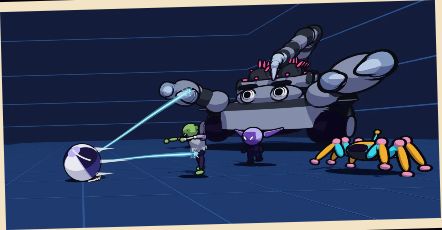
From the game's own site, voidballs.game. Process from the builder's write-up.
Claude Code Game Studios is not a game. It is an open-source template that turns one Claude Code session into a studio org chart: 49 agents, 72 skills, directors, leads and specialists, with engine-specific agents for Godot 4, Unity and Unreal 5. It has 38,600 stars on GitHub. It is worth a studio's time as a map of which roles people are handing to agents. It is also a warning: a critical review points out that the project's own testing found its most process-heavy setting produced the worst game.
The jam winner and the parallel sessions
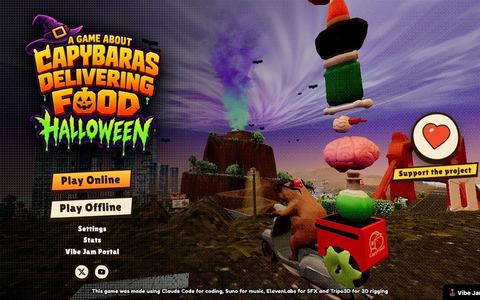
The Cursor Vibe Jam 2026, run by levelsio in April, required at least 90% AI-written code. The $25,000 gold prize went to A Game About Capybaras Delivering Food by Leo, an iOS developer, built in 15 days in Three.js. The game's own menu credits Claude Code for coding, Suno for music, ElevenLabs for sound effects and Tripo3D for 3D rigging.
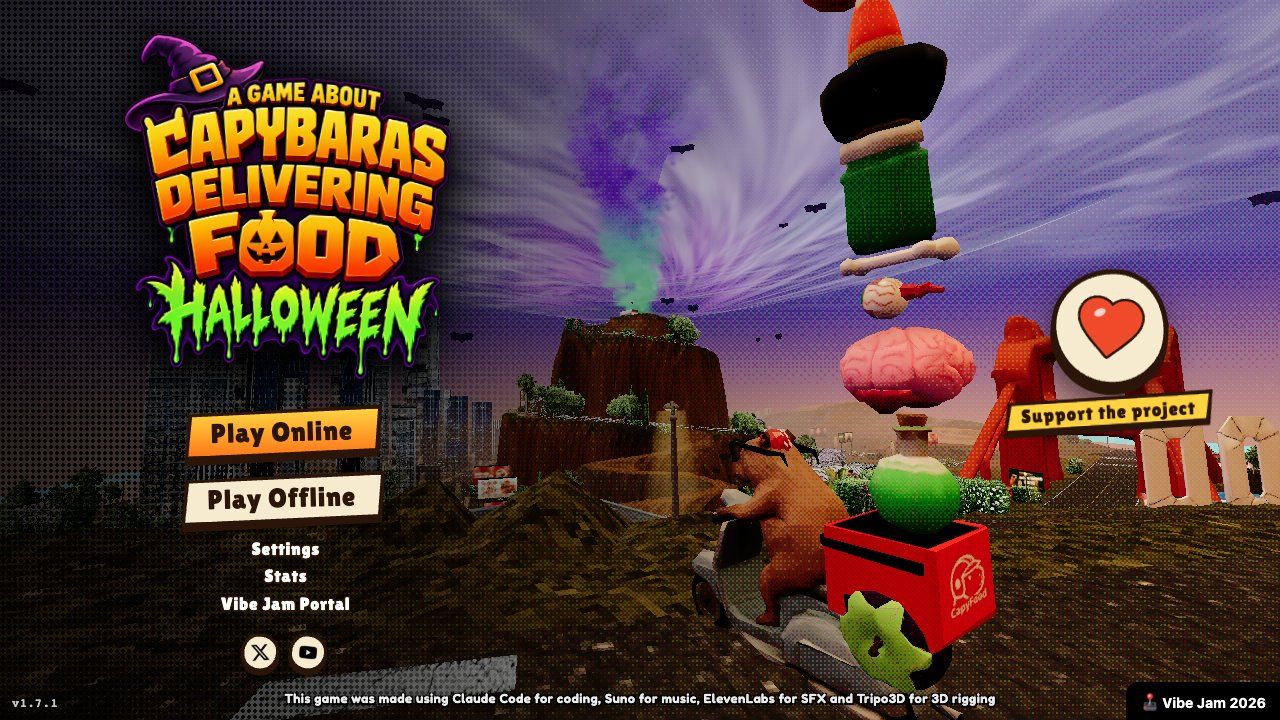
Captured from the live game. Method from the builder's write-up.
His method is the most transferable on the list. Most of his time went on planning and playing, not generating. Two or three Claude Code sessions ran in parallel on separate parts of the codebase. New features got fresh sessions. One long-running session did nothing but fix bugs.
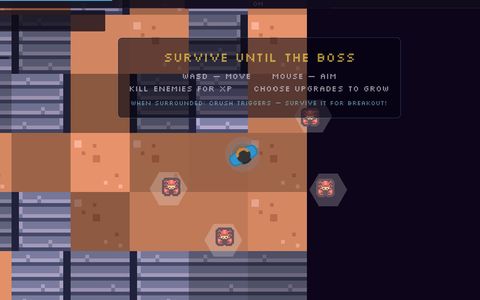
Spell Cascade by yurukusa pushes the same idea further, into named roles: a team lead, a builder for game feel, a designer for screenshots and covers, a researcher, a "grower" for metrics and a shipper for store pages, all on Opus 4.6. Tasks carry explicit blocked-by dependencies, and each agent has files it must not touch. The game itself is small and its numbers are honest: 52 views and two downloads on itch.io. The team structure is the part worth copying.
Zero files
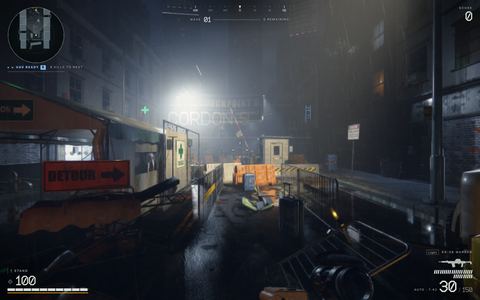
The last pattern is the strangest. Several of these games ship no art at all. Cordon 9, the zombie shooter Aravind Srinivas had a Perplexity Teammate build on Fable 5.2, loads as one HTML page with a single script of 70,519 lines. We opened the network panel: no image, audio or script requests, before or during play. The street, the rifle, the rain and the music are all computed on your machine while the page loads.

Srinivas
"No use of any 3D assets. Just rawdogging it all in code."
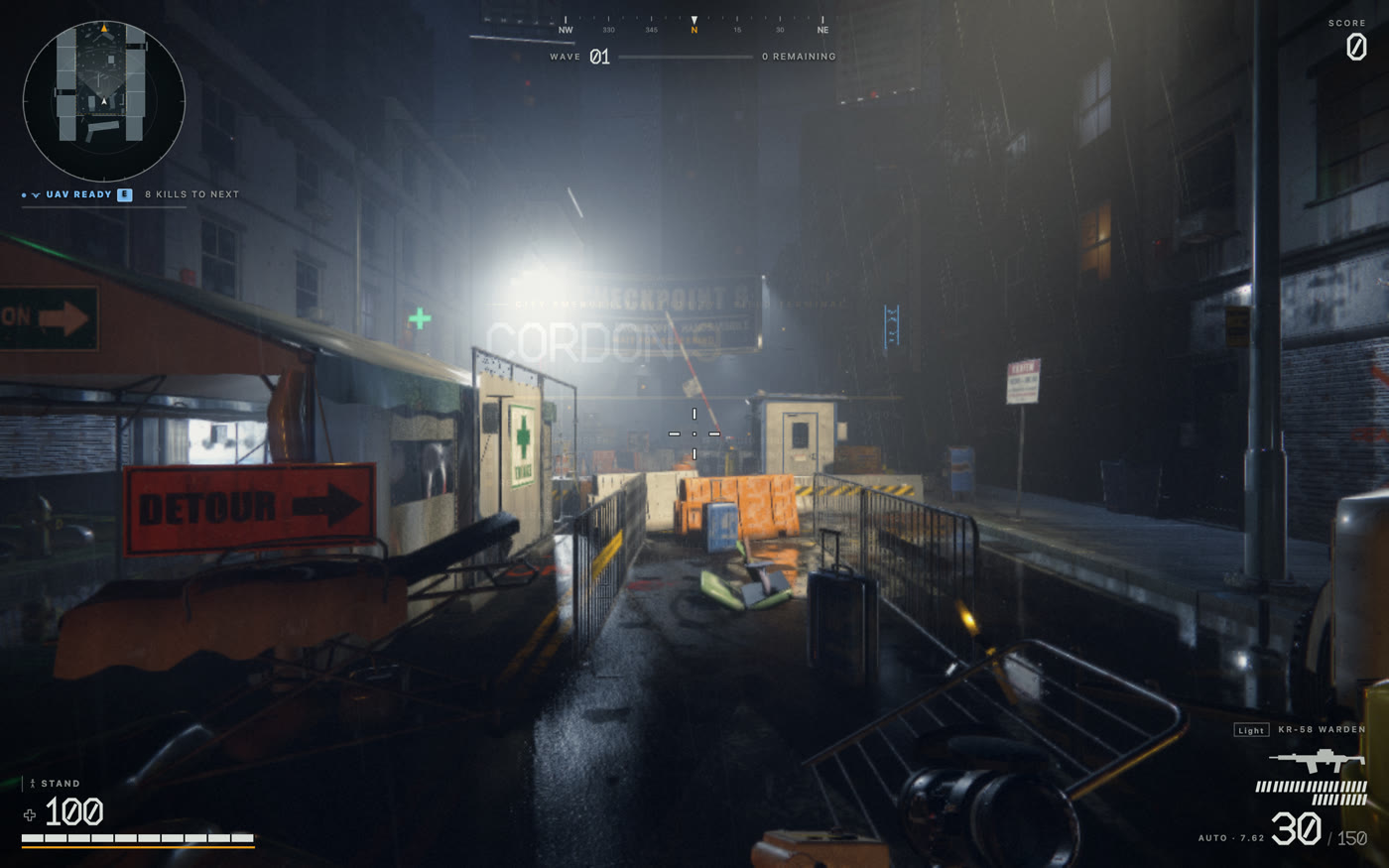
Captured from the live game, 11 November 2026.
For a studio this is less about style than about pipelines. A game with no asset files has no asset pipeline to break, which is exactly why agents find it easy. Saltline and Grumbulus work the same way. The builds that used real assets, Courier Quest and Codex Mortis, both had to build an acceptance step around them.
The pipeline they share
Lay the eleven builds side by side and the same nine steps come out, in roughly the same order. What changes from game to game is not the steps but who does each one.
The three human steps are the ones a game designer would name as the job: deciding what the player experiences, deciding what it looks like, and deciding whether it is fun. Every build that published its process kept those three with a person. The ones that tried to hand over design, by stacking more agent hierarchy on top, got worse games, not better ones.
The agent steps are the ones a producer would recognise as the bulk of the hours. Note where the tokens go: not into writing the game, but into step 6, playing it. Saltline read 165 tokens per token written. Aiden's Revenge ran a bot through every stage. Courier Quest photographed every door.
What this does not show
Three of the most impressive builds came from people at model companies: Saltline from Anthropic, Void Explorer from OpenAI, Cordon 9 from Perplexity's CEO. They are best cases, built by people who know the tools better than anyone.
"One-shot" almost always means one prompt, a long unattended run, and then human tweaks. Saltline's playable version includes later changes. Aiden's Revenge got a second day of family feedback.
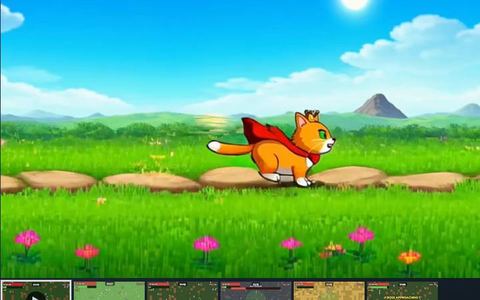
Shipping is not the same as being played. Catvivors, a roguelike by Przemek Chojecki built with Claude Code and Codex, has been on Steam since March at $4.99. Its store page shows no user reviews. Codex Mortis is the only game here with a real audience, and it got there through six months of patches, not one night.
We also left one out. A widely shared claim of a one-hour extraction shooter built with a single Codex /goal command has no primary post we could find, so it is not counted.
And almost everything here is a browser game. Void Balls in Unity is the only engine-native build with a full write-up. Nobody has yet published the process for an agent-built game in Unreal at studio scale.
Questions people ask about this
Can an AI agent actually finish a game, or just a demo? Both, and the difference is documented. Codex Mortis is on Steam at version 1.0 with 97 reviews. Most of the other ten stop at playable rather than shipped.
What does it cost to build a game this way? The one build with receipts to the cent, Courier Quest, came to $381.95 for 24 hours of work. Saltline, a single unattended run, cost about $550 at API prices. Codex Mortis ran on a $200 a month plan for nine months.
What do the humans still do? Three things, in every build that published its process: they write the player brief, they lock the look, and they decide whether it is fun.
Is this a fair sample? No. It is the best published cases, and three of them come from people at model companies. Read it as the ceiling, not the average.
What a studio should take from this
The question is no longer whether an agent can build your game. Eleven builds just showed that it can build a playable one, and one showed it can ship and sustain a commercial one. The question is which of your people's hours are steps 3, 4, 6 and 8, and whether you have given the agent a way to see what it made.
Give it the brief, the look and a way to play its own build. Keep the fun for yourself.
Design stays human.

Founder of nativefirst.ai. Runs everything on agents and writes down what works.