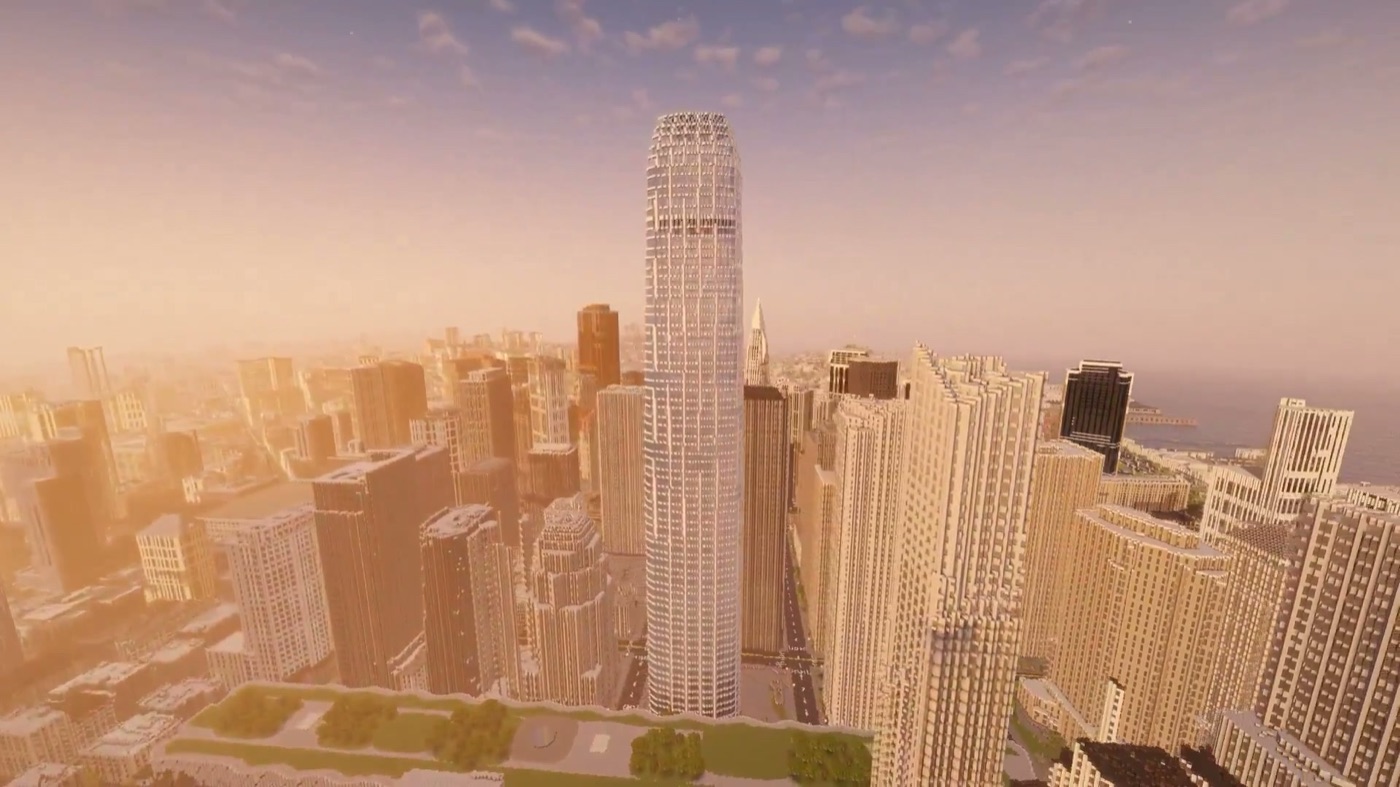
GPT-6.2 Astra Rebuilt All of Singapore at 1:1 Scale.
An OpenAI engineer steered 1,000 subagents for over 100 hours.

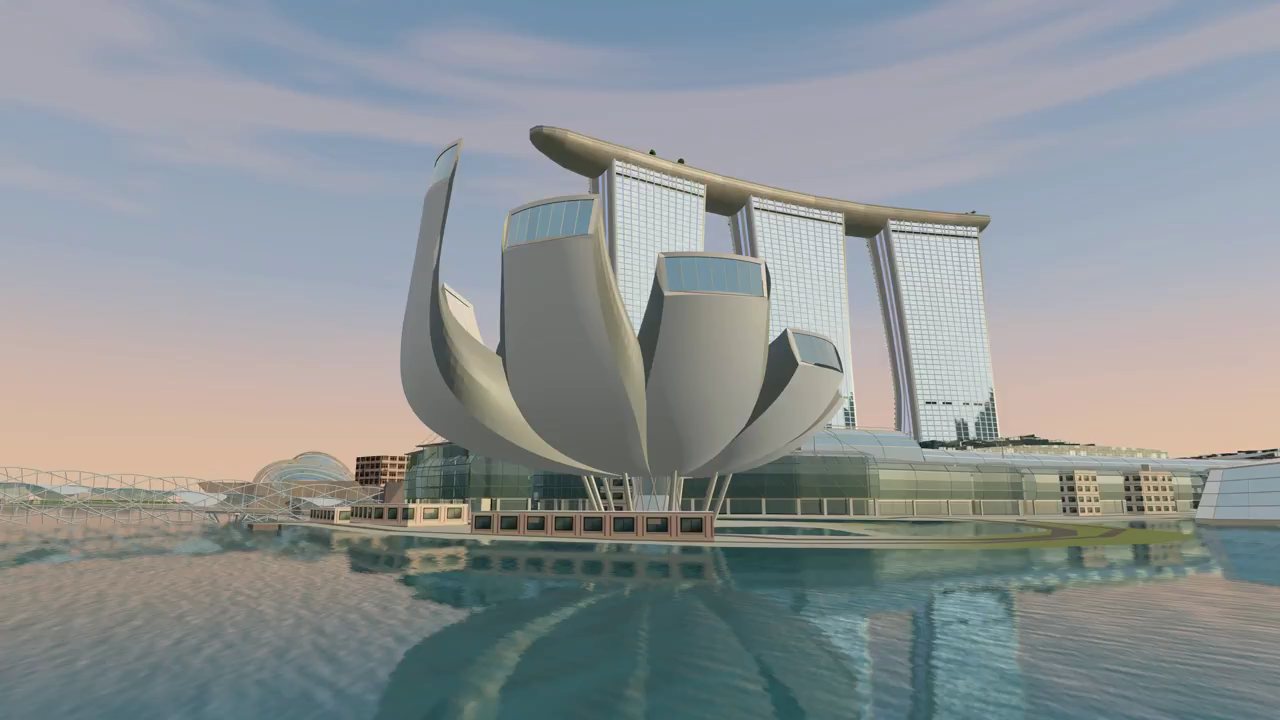
On Tuesday evening Gabriel Chua posted a 30-second flythrough and a short list. He had rebuilt Singapore, the whole island, at 1:1 scale: 200,000 building footprints, 160,000 road segments, 120,000 streetlights.
He is not a hobbyist, and that matters for how you read the numbers. Chua is OpenAI's Developer Experience Engineer for APAC, whose job is helping developers ship with Codex. He was a data scientist at Singapore's GovTech before that. So this is a vendor engineer demonstrating his own employer's model, on the day it shipped, tagging @OpenAIDevs in the post. The build is still the build. The framing is marketing, and the figures are his.
The part worth an operator's attention is not the island. It is how he says he made it: over 100 Codex threads running GPT-6.2 Astra, more than 1,000 subagents, and over 100 hours of work.
What he says he ran
Three numbers about the island, three about the work.
What is in the island
What it took
Each dot is one thing he counted. The threads and the subagents are drawn at the same spacing, so the ratio between them is the picture.
Build first A fleet is only interesting when the work divides cleanly. Count the independent pieces before you count the agents.
What we could check, and what we could not
The video is real. Most of the rest is his word, and he is a credible source for it.
| Claim | What he said | What we could check |
|---|---|---|
| The build exists | A 30-second flythrough of the island | True. The video is on his post and the landmarks are recognisable: Marina Bay Sands, the ArtScience Museum, the Supertrees, Benjamin Sheares Bridge, a city bus on its route |
| Who built it | His own project | He runs the Codex hack and demo nights in Singapore and has demoed at AI Engineer, so he is a practitioner, not an account that appeared yesterday |
| The counts | 200,000 footprints, 160,000 roads, 120,000 lights | His figures. No repository, no dataset credit and no live build have been published, so nobody outside can count them |
| The fleet | 100+ threads, 1,000+ subagents | No transcript, token count or bill. The shape is plausible for Astra, which is built for long autonomous runs, but plausible is not verified |
| 1:1 scale | "1:1 scale" | Not demonstrated in the video. A flythrough cannot show scale; a measurement or a walk at human height could |
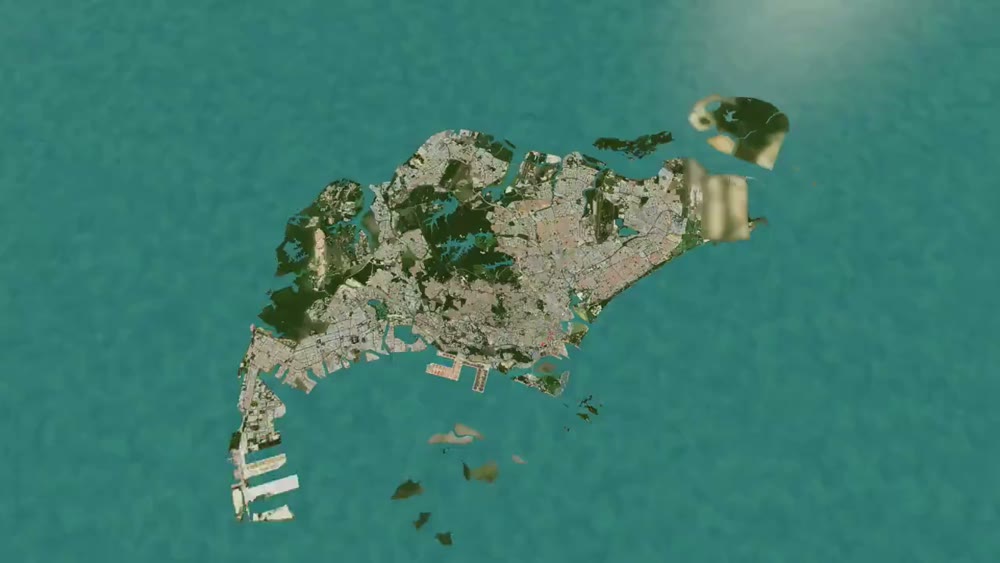
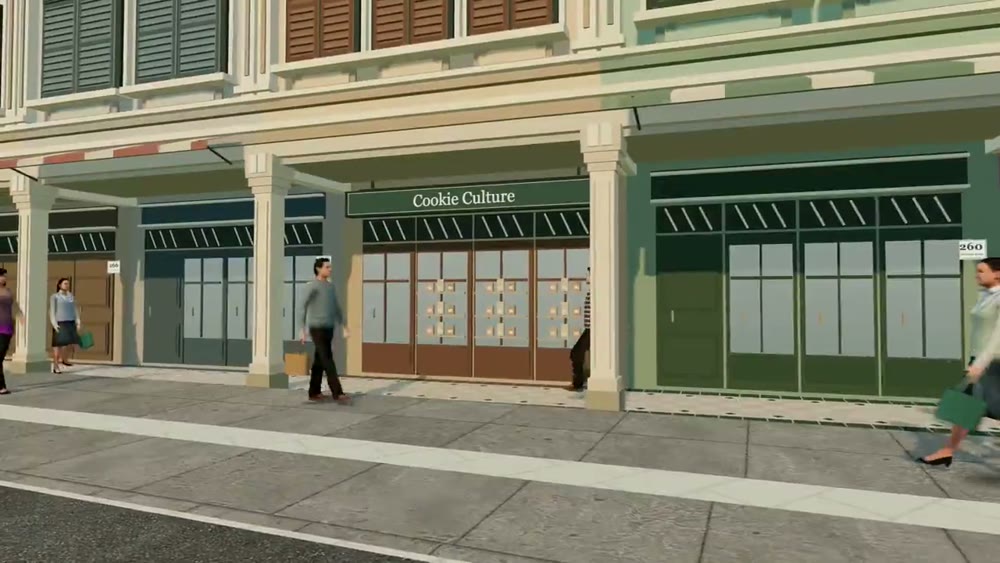

Three moments from the same 30-second clip, ordered by how close the camera gets. Frames by nativefirst, source linked above.
The pattern this belongs to
Second 1:1 city in two days, by two different methods.
On Sunday a Stanford student generated the entire world in Minecraft from map data, and we checked what held up and what rested on his word. That one was a generator reading OpenStreetMap: one pipeline, one pass, the whole planet, bounded by the dataset.
This is the other shape. Not one generator but a fleet: a hundred threads, a thousand subagents, a hundred hours of someone steering them. The output is smaller, one island rather than a planet, and the detail is far higher: void decks, hawker plates, a bus on its route.
Both are the same economic story told twice. The expensive part of a virtual city used to be placing the objects. Now the expensive part is deciding what to place and checking the result, and that is the part a person still does.
Build first If your work splits into many small independent pieces, a fleet beats a better prompt. If it does not, the fleet is overhead.
Here is the job: <describe it in two sentences>.

Split it into pieces that can be finished without talking to each other.
List them, count them, and name the three that are hardest to check.
Then tell me: is this one job for one agent, or many jobs for many?
Say "one agent" if the pieces depend on each other.
If the answer comes back "one agent", a fleet will only multiply your review queue. He had 200,000 pieces that never had to agree with each other, which is the rare case where a thousand of anything is the right call.
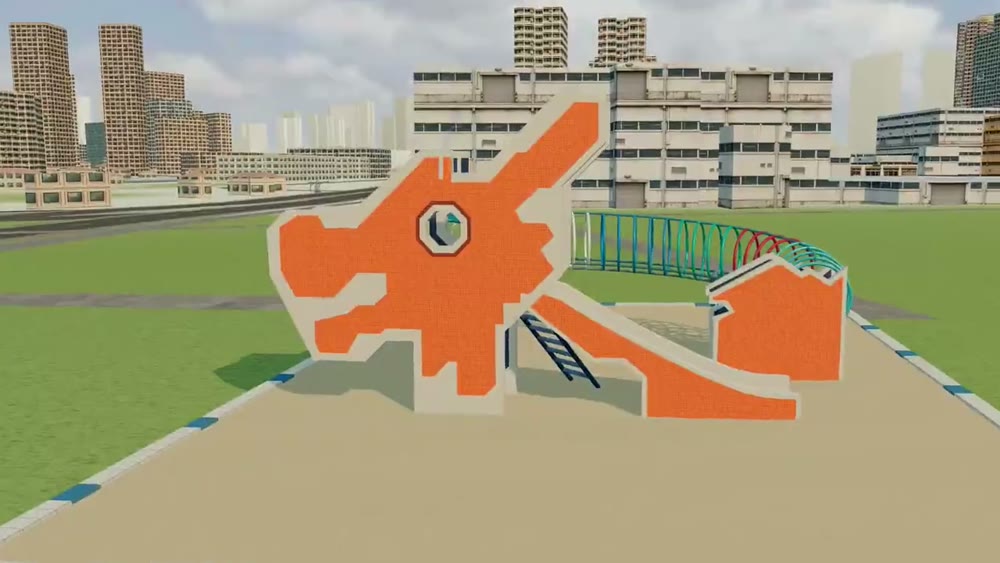
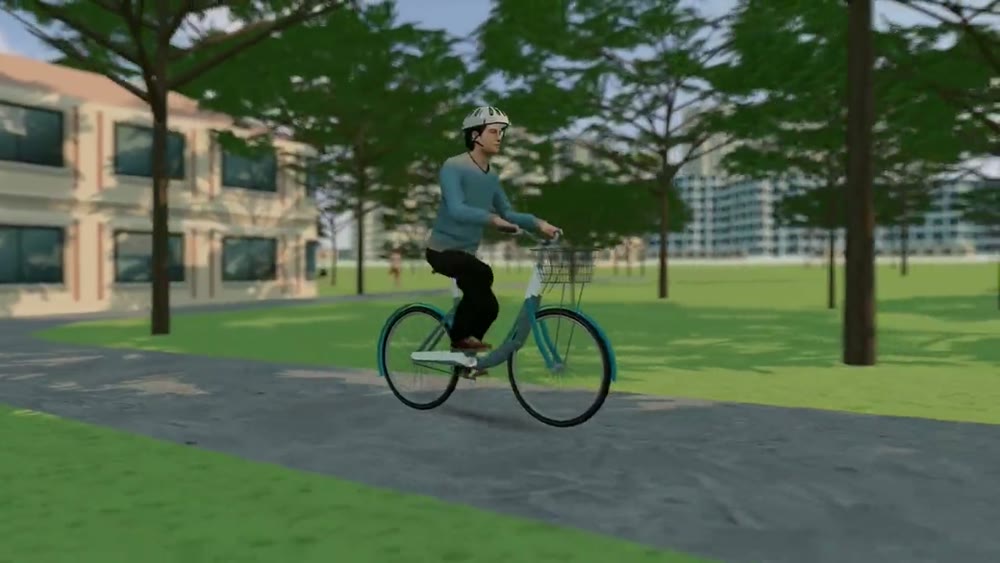
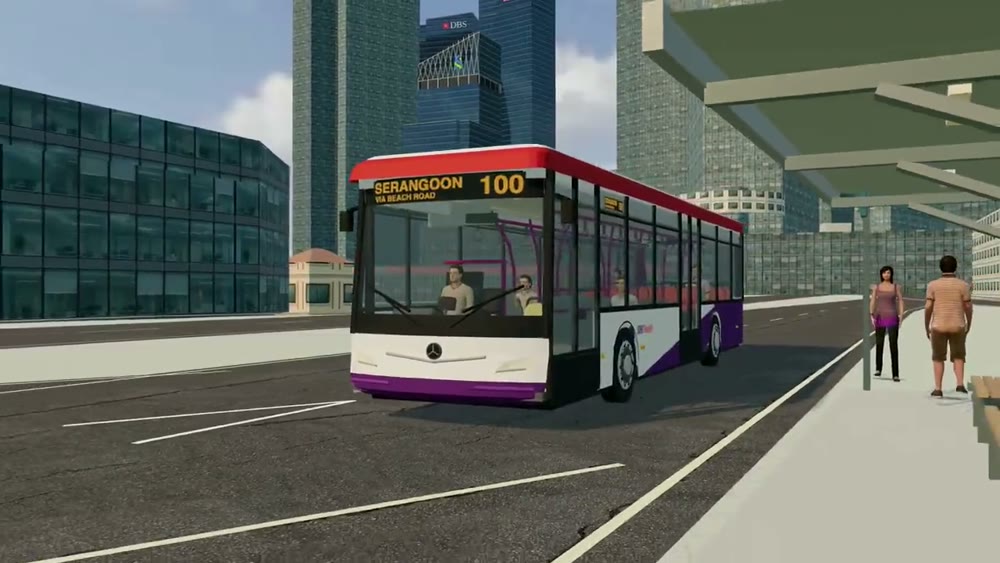
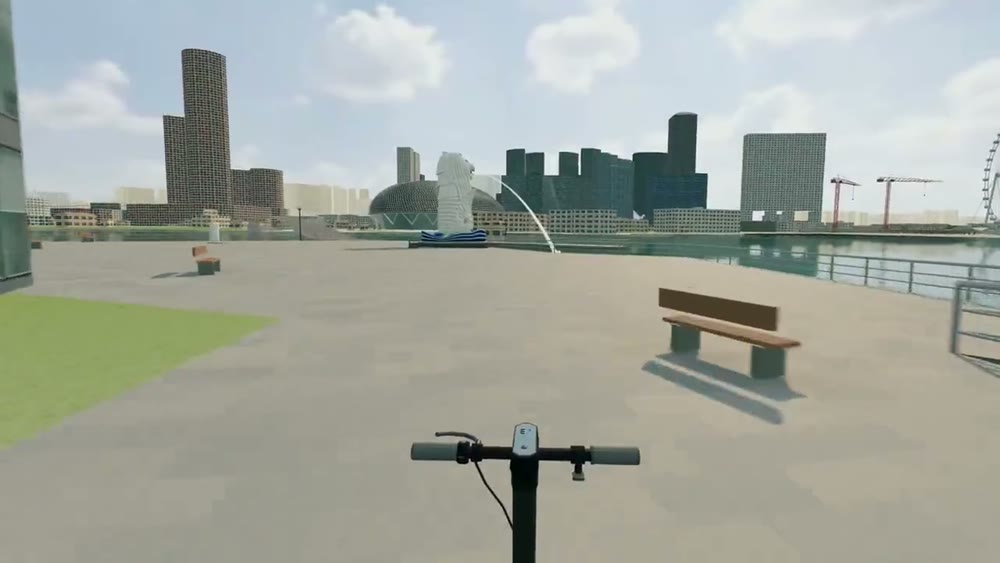

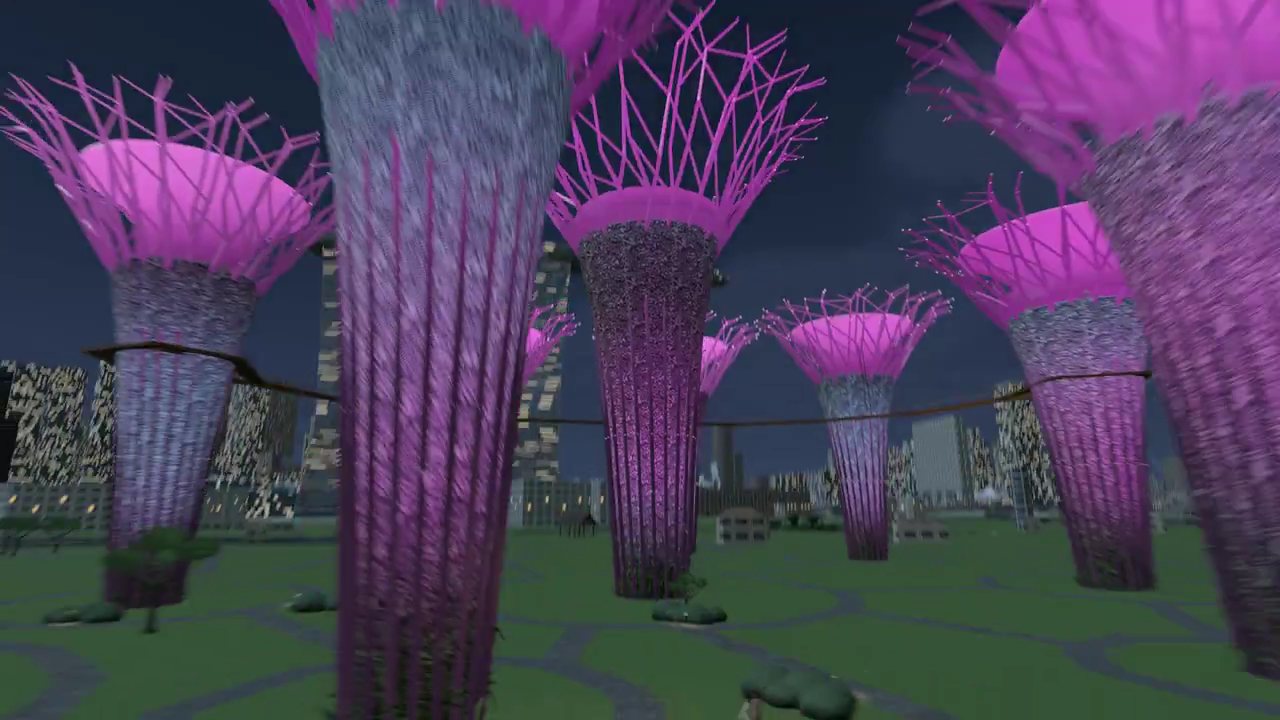
Six more places from the same 30-second clip. Estate playgrounds, a bus route, a bridge: the parts a visitor would not film, which is what makes the claim interesting. Frames by nativefirst.
Then he did Changi
Thirteen hours later, the same method pointed at one building.
On Wednesday morning he posted a second clip: 45 seconds inside Changi Airport, with the line "Singapore's Changi Airport is really SOTA. Thanks, Astra." No counts this time, and no method, just the output.
It is the more useful of the two, because a building is checkable in a way an island is not. The gantry signs read "T1 Departure, Jewel Drop-off" and "T1 Arrival Pick-up, T1 Car Park," which is how Changi's signage actually reads.
The Rain Vortex falls through the middle of Jewel with the terraced gardens around it. A Singapore Airlines aircraft sits at a gate with the bridge attached. A generator reading building footprints does not produce any of that. Somebody, or something, worked from pictures of the real place.
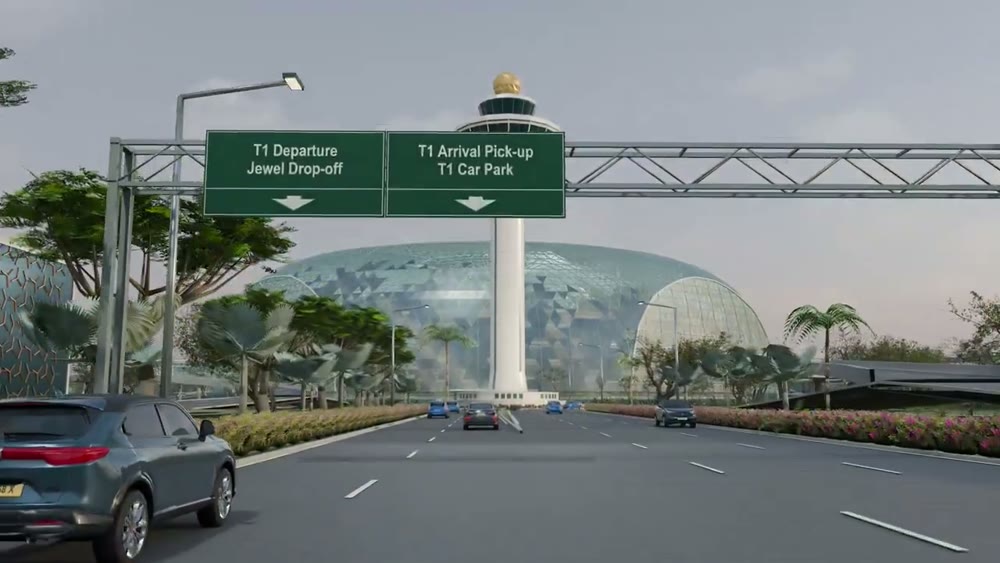
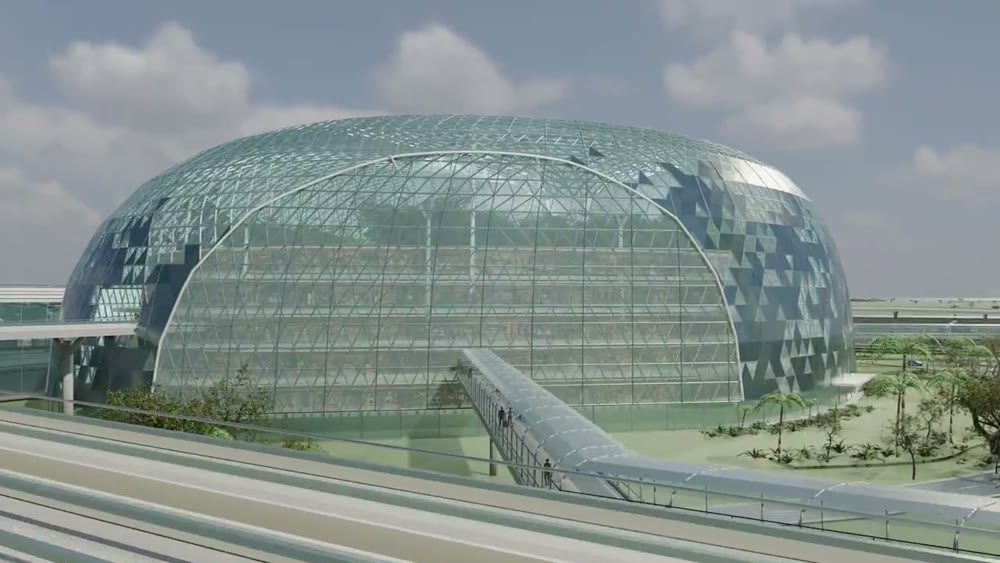
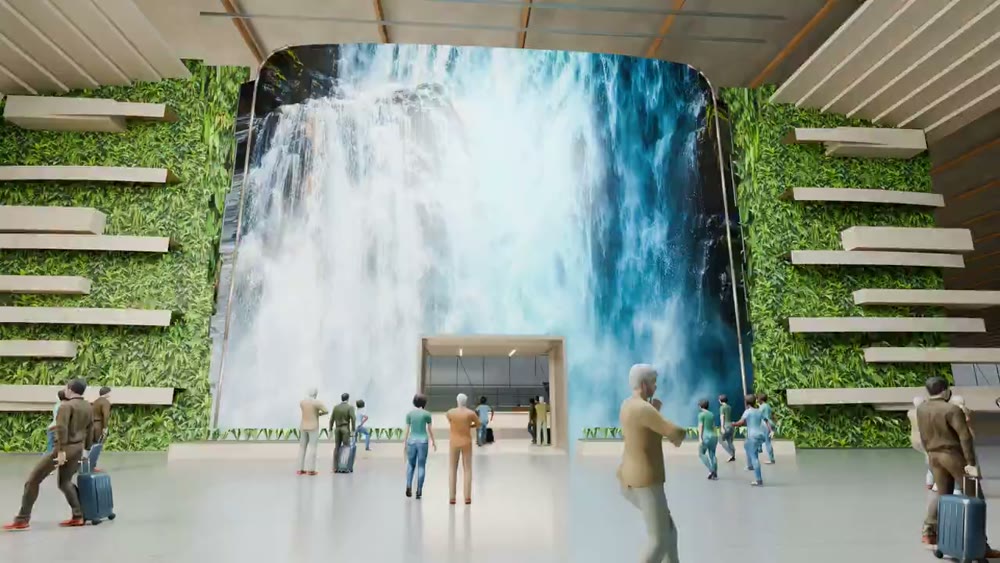

Four frames in camera order from his 45-second Changi clip, linked above. Modelled, not photographed. Frames by nativefirst.
Build first Pick the piece of your world a reader can check. He put a sign in the frame.
What is missing
No repository, no live build to walk, and no dataset credit. Singapore publishes building footprints and road centrelines through its own open-data portal, and OpenStreetMap covers the island well, so the raw material exists, but he has not said which he used.
No cost. A hundred threads on a frontier model for a hundred hours is a real bill, and the number would tell an operator more than the object counts do.
And no scale proof. "1:1" is the claim that makes this more than a nice render, and it is the one thing the video cannot show.
What's next
- Count the parts of your job that can be done separately.
- Use many agents only when there are many such parts.
- Ask what a run cost before you copy it.

Founder of nativefirst.ai. Runs everything on agents and writes down what works.