Is Claude Meetings a Granola Killer? Anthropic named Granola a partner.
A note-taker delivers after the call. Claude delivers inside it.

Claude now has its own tile on the call. Anthropic previewed Claude Meetings on 10 November and started rolling it out in beta on 12 November: Claude joins a Google Meet call as a visible participant, posts a notice in the chat, and starts working while people are still talking.
That is the note-taker's seat. Granola, Fireflies and Otter have spent years in it. So the obvious question is the one in the headline, and Anthropic's own launch page answers it in a list most people will scroll past.
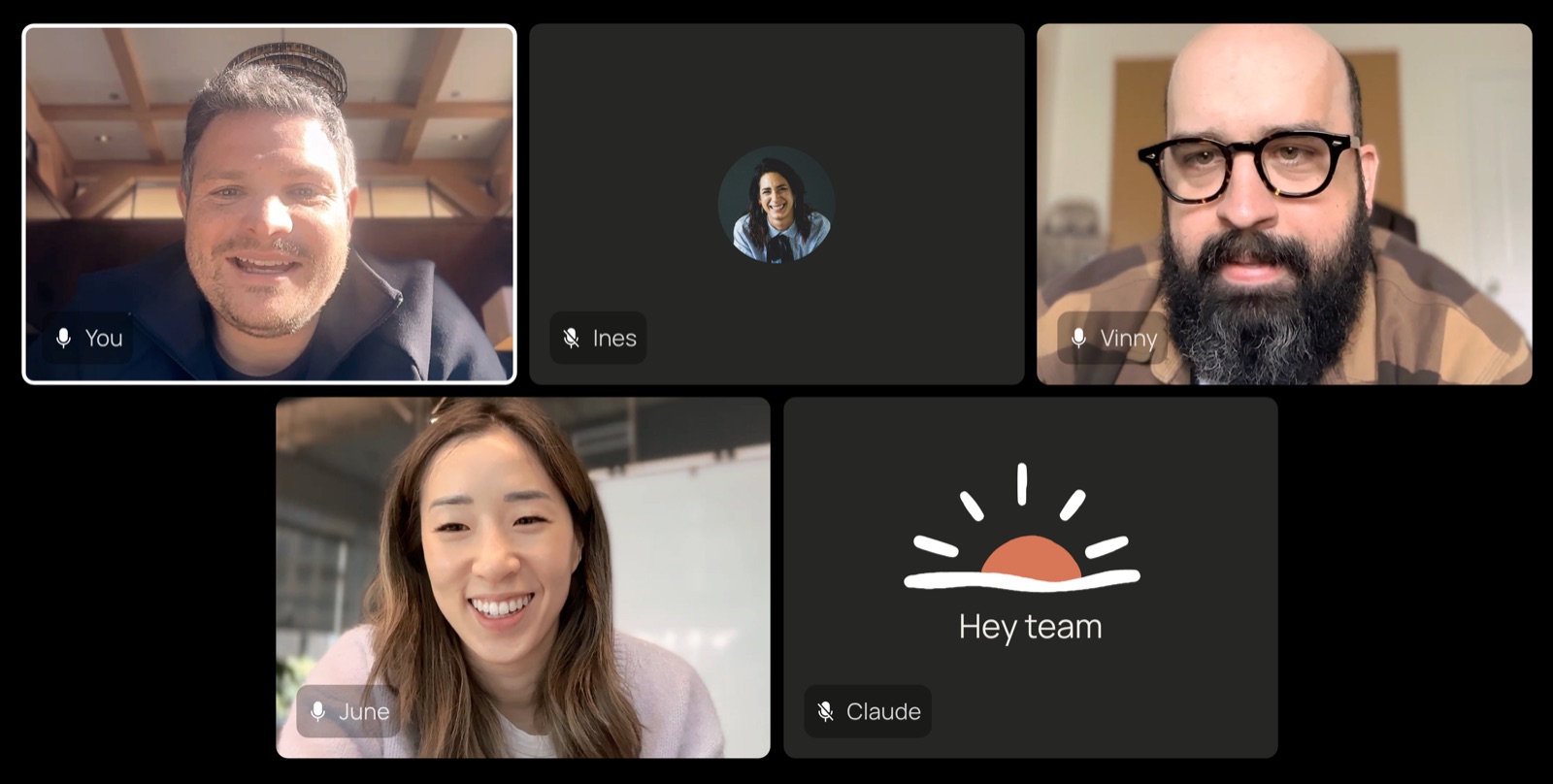
From Anthropic's launch article, Introducing Claude Meetings, now in beta, 12 November 2026.
First, the timing, because Anthropic announced it twice, two days apart. Anthropic's 10 November post on Sheets and Whiteboards listed Meetings as coming soon. Its 12 November article and the help center release notes say it is rolling out in beta on Team and Enterprise plans. Google Meet only, other platforms "coming soon".
1
Call platform at launch. Google Meet. Zoom and Teams users keep what they have.
8 hrs
The longest Claude will stay in one call. It warns before it leaves.
6
Note-taking and call tools Anthropic names as partners, Granola among them.
The partner list is the answer
Near the bottom of the launch article Anthropic names six partners: Gong, Attention, Granola, Fireflies.ai, Otter and Plaud. Sending meeting transcripts to those tools is listed as coming soon.
You do not announce a pipe into a product you plan to replace this quarter. So no, Claude Meetings is not a Granola killer, not in this beta. It runs on one call platform, needs a Team or Enterprise plan, and is switched off entirely for organisations on zero data retention, HIPAA-ready configurations or customer-managed keys.
It is also doing a different job. A note-taker's product arrives after the call. Claude's product is meant to arrive during it.
In the call you can ask Claude something out loud or in the Meet chat, and the answer goes to the chat. Anyone on the team can ask it for a doc, a whiteboard or slides, which attach to a meeting page that everyone in the organisation on the invite can open and edit. It can share a recap before anyone hangs up. Afterwards the page keeps the notes, the transcript and everything Claude built, and you can ask Claude about the meeting later in a normal chat.
The interesting part is the permissions
Back in September Ethan Mollick called multiplayer AI one of the biggest problems in using AI right now, and he was dismissive of the exact form Anthropic just shipped.

Mollick
"Approaches tend to be pretty primitive and based around AI-as-a-person-in-your-group-chat. That is limiting."
Claude Meetings is literally an AI as a person in the call. What makes it more than that is the plumbing underneath, which is the part we argued nobody had shipped: many people, one context, different permissions.
Claude uses each person's own connected tools with that person's own access. It asks the first time, and a yes holds from then on. For spoken requests it confirms who is speaking every time. Its chat answers are visible to the whole call. That is a real answer to "whose agent is this?", which is the question that kills most shared agents.
The guest rule is the other one. If an organisation has not allowed external guests, Claude stays out of calls with outsiders on the invite, and leaves if one joins halfway through. The help center says that includes another company's notetaker bot. On Team plans guests are allowed by default; on Enterprise an owner has to allow them first. When guests are allowed, Claude still takes notes but stops replying in the chat. It keeps a transcript, a summary and descriptions of the screen, not the audio.
Already open, again
When Granola shipped voice typing on 29 October we asked whether Granola was a Wispr Flow killer and landed on one rule: the product already open wins. Granola beat a dictation app because it was already running in the meeting.
Apply the same rule here and it cuts both ways. Claude is now in the meeting, and for a team that already lives in Claude it is the thing already open. But Granola made the opposite design choice on purpose. Its own documentation says it captures your device audio, so no bot appears on the participant list. A visible agent that announces itself and acts is one product. An invisible notepad that nobody else sees is another. Some rooms want the first. Plenty of rooms, sales calls and interviews especially, want the second.
What's next
- Set the guest default before auto-join. The Team default lets Claude into calls with outsiders. Change it in organisation settings.
- Watch the meter on tools. Notes and transcripts are included. Answers that use a connected tool count toward plan usage.
- Keep your note-taker anywhere that is not Google Meet. That means every Zoom and Teams call, today.
The call is the prompt.

Founder of nativefirst.ai. Runs everything on agents and writes down what works.